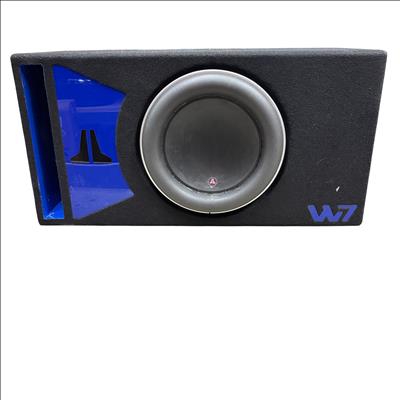
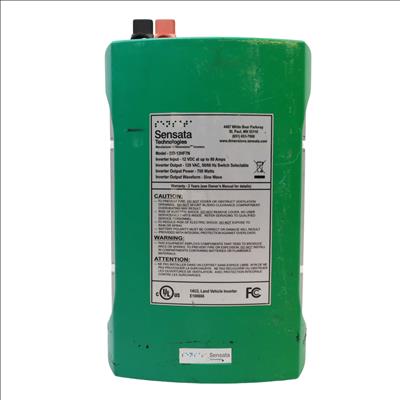
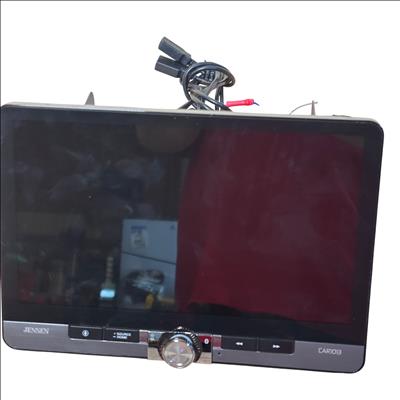
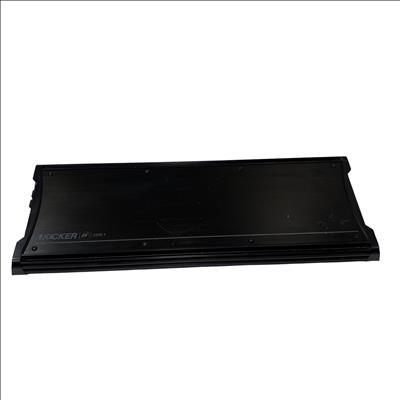
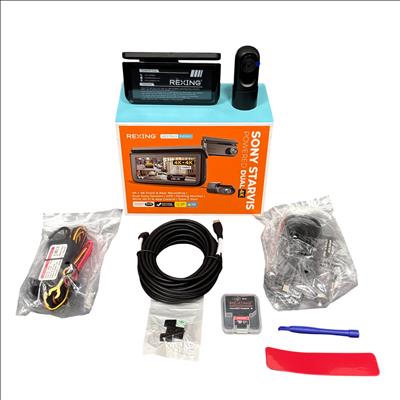
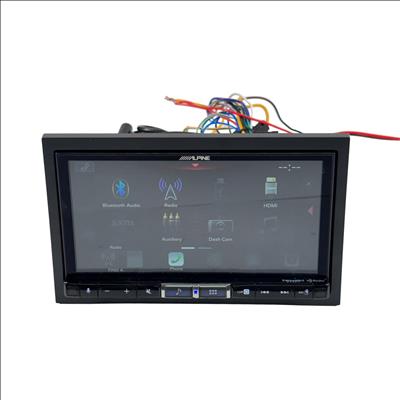
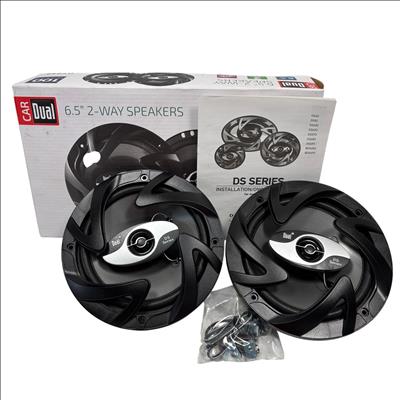
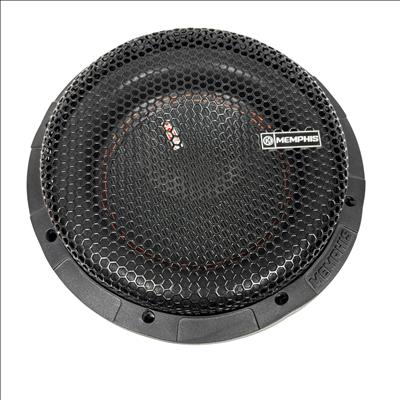
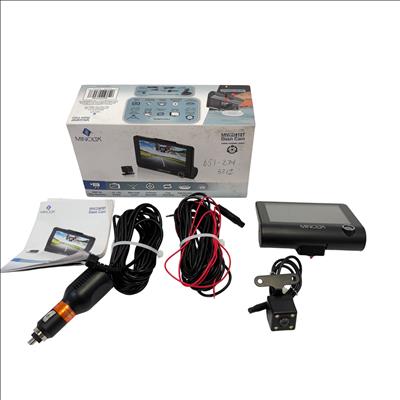
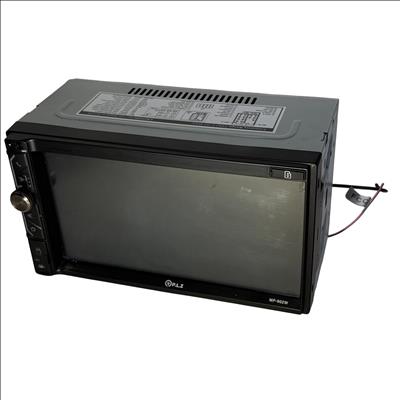
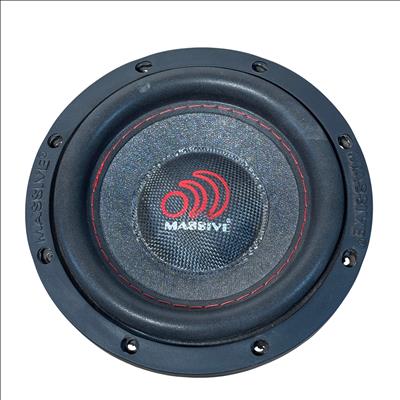
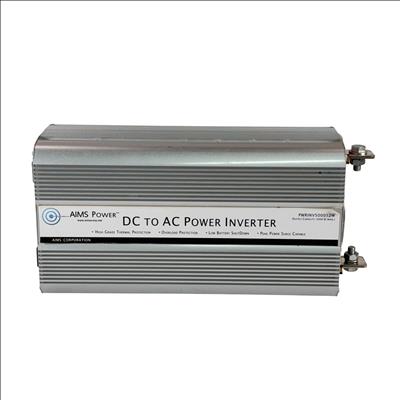
Categories

Car Audio

Explore vehicle electronics & GPS systems at Pawn America. Upgrade your drive with navigation, audio, and smart car tech.

Popular Brands

View All
View All
20% OFF product
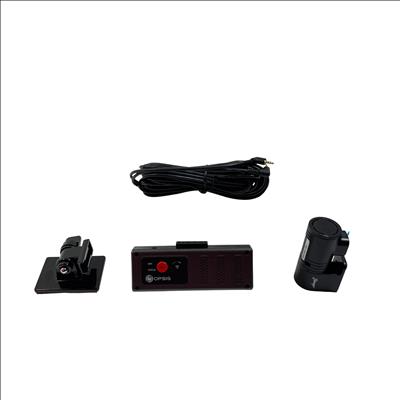
BlackVue Power Magic Ultra B-124X Dash Cam Battery
30% OFF product
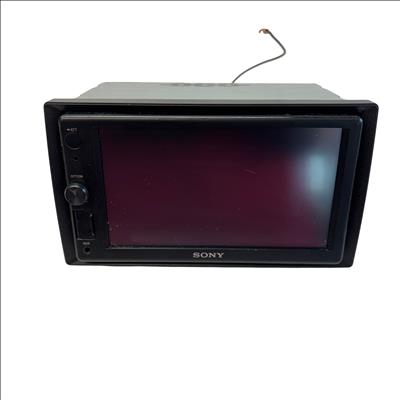
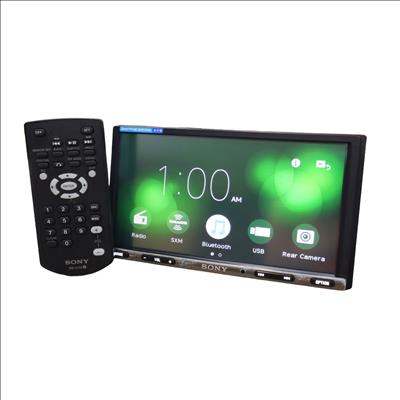
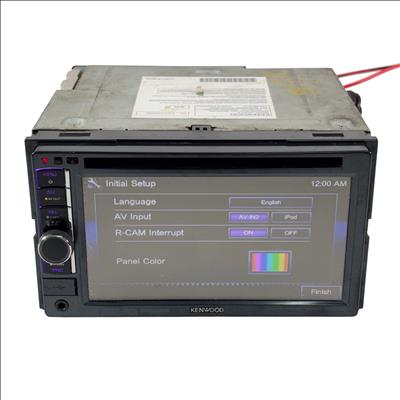
Sony XAV-AX1000 6.2 inch Apple CarPlay Media Receiver
10% OFF product
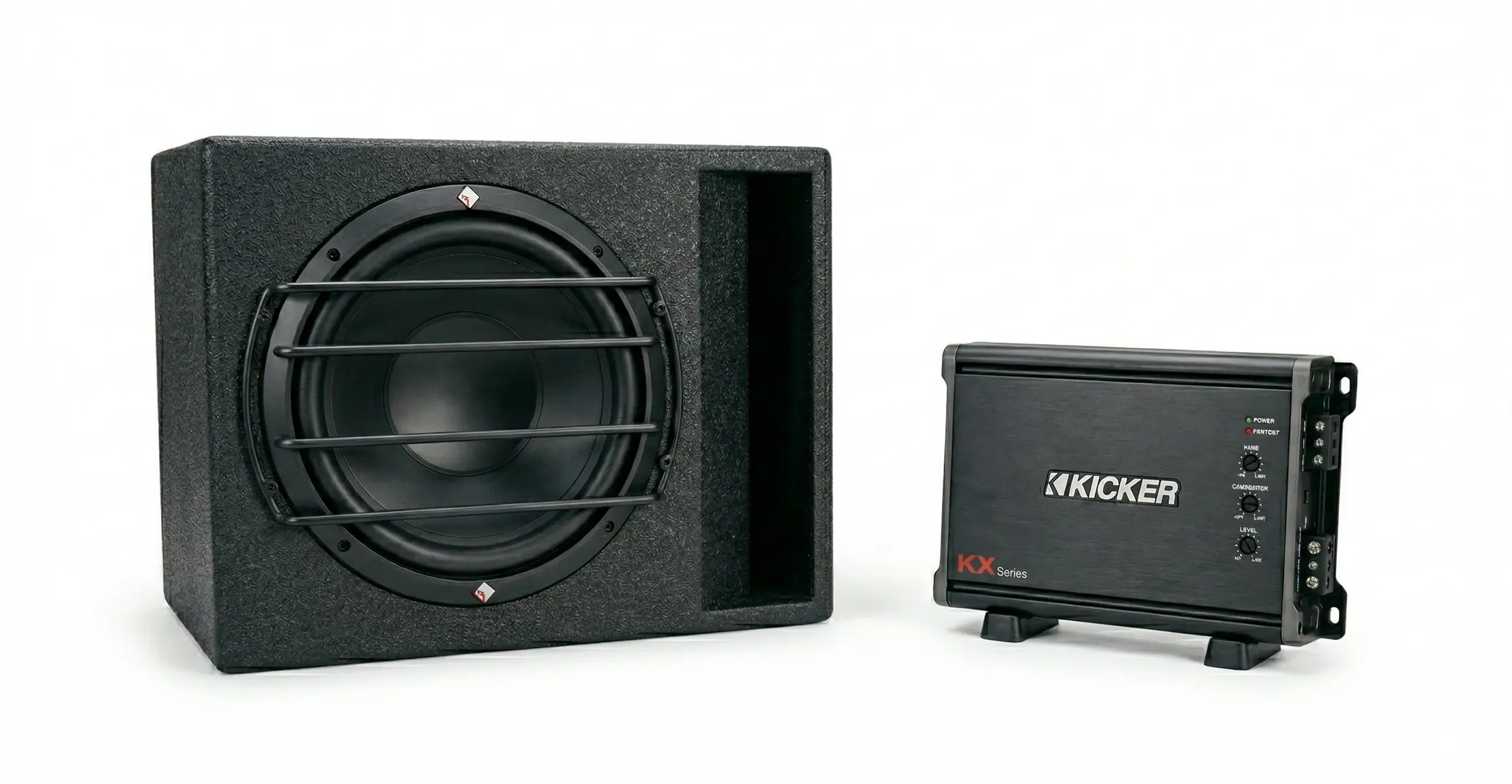
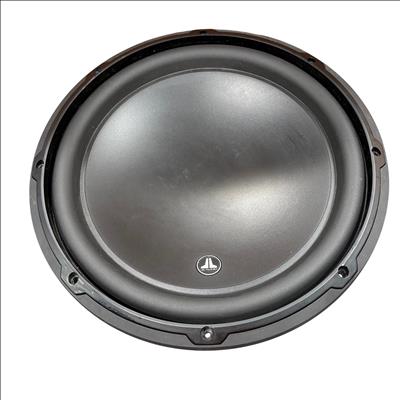
Kicker 10C104 10 inch 4 Ohm Woofer 150 Watts RMS
20% OFF product
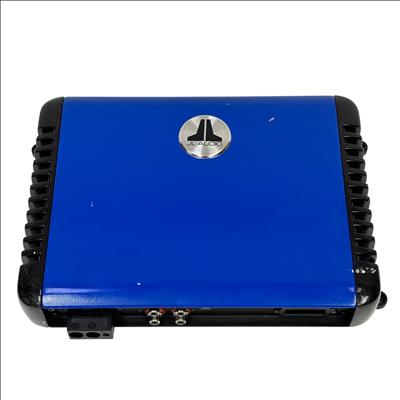
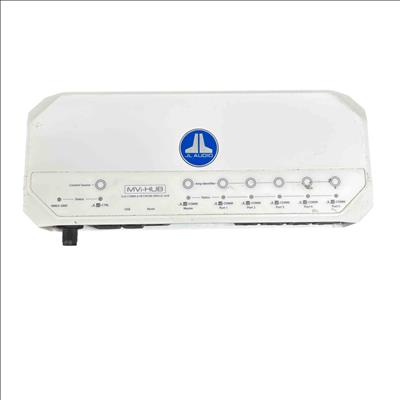
JL Audio MV800/8i Marine 8-Channel Amplifier
10% OFF product
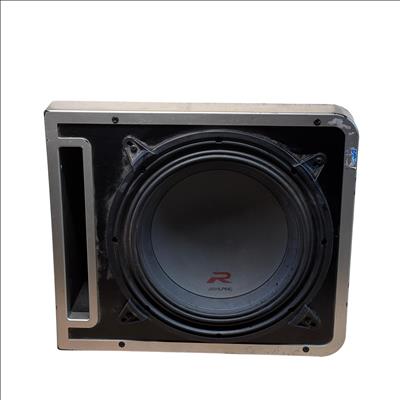
RE Audio SE12 12" Car Audio Subwoofer LOCAL PICKUP
40% OFF product
Memphis Audio MXA850.5M 5-Channel Marine Audio Amplifier
15% OFF product
Sony 6x9" 3-Way Car Speakers Pair XS-GTF6939
10% OFF product
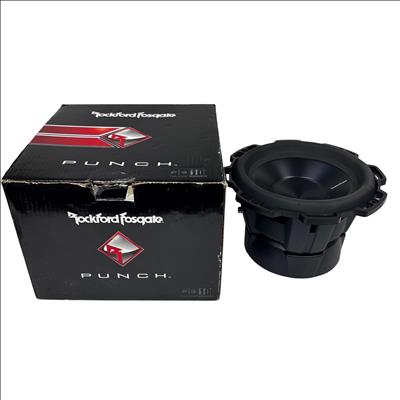
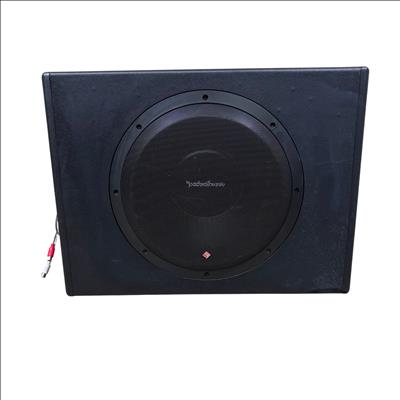
Rockford Fosgate P300-12 Black 12" 300-Watt Subwoofer
10% OFF product
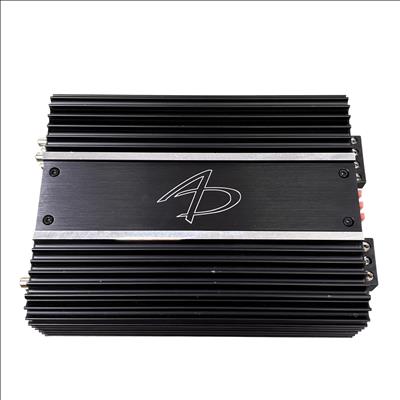
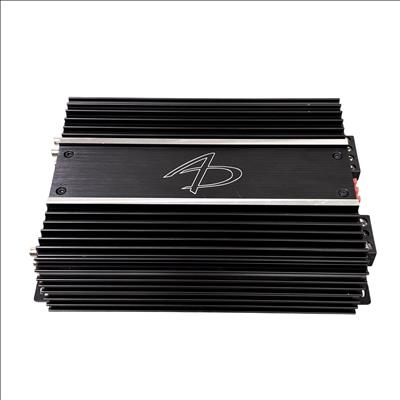
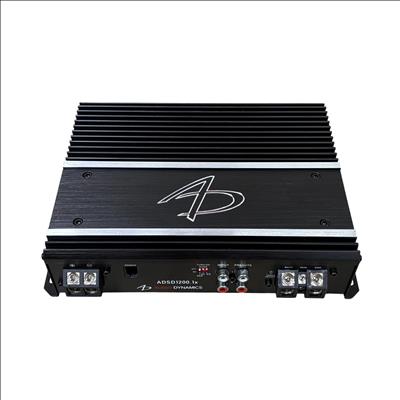
Audio Dynamics K1800.6 Multi-Channel Amplifier
10% OFF product
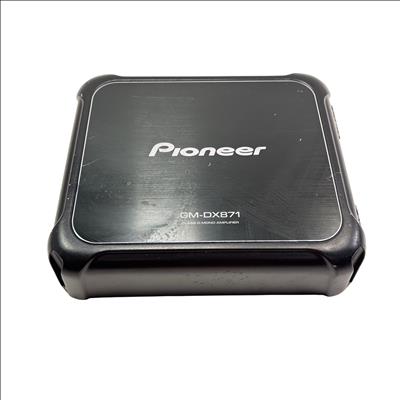
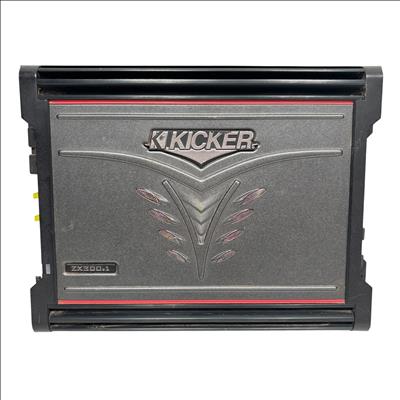
Kicker DX A250.1 250W Mono Subwoofer Amplifier
10% OFF product
Dual Electronics DS652 6.5" 2-Way Car Speaker Pair
10% OFF product
BESTEK 1000W Power Inverter Model MRI10011
15% OFF product
Garmin Colorado 400t Handheld GPS Receiver
15% OFF product
Phoenix Gold SX12 Subwoofer 12" Dual 4-Ohm Car Audio
15% OFF product
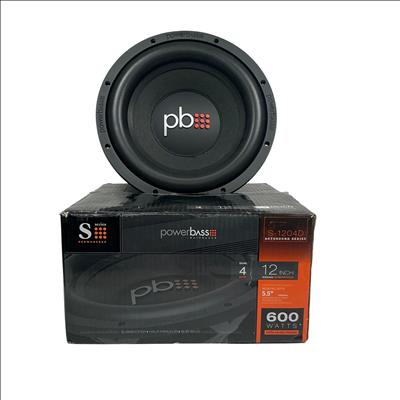
Phoenix Gold 12" 400W RMS Car Subwoofer SX112D2
15% OFF product
Dual Electronics XR4115 Digital Media Receiver
20% OFF product
Panasonic CQ-DFX983U Car CD/MP3/WMA Receiver
30% OFF product
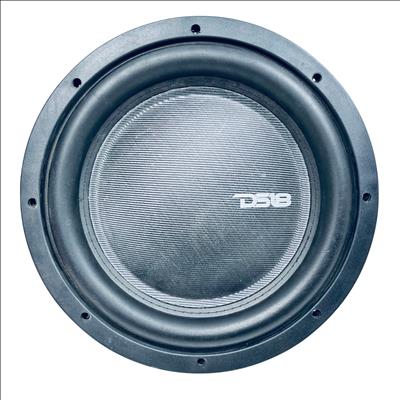
Sundown Audio U-18 V.1 Black 1500W RMS 18" Subwoofer
View All
20% OFF product
BlackVue Power Magic Ultra B-124X Dash Cam Battery
30% OFF product
Sony XAV-AX1000 6.2 inch Apple CarPlay Media Receiver

Vehicle Electronics & GPS Blog

View All
Product Info January 22, 2026

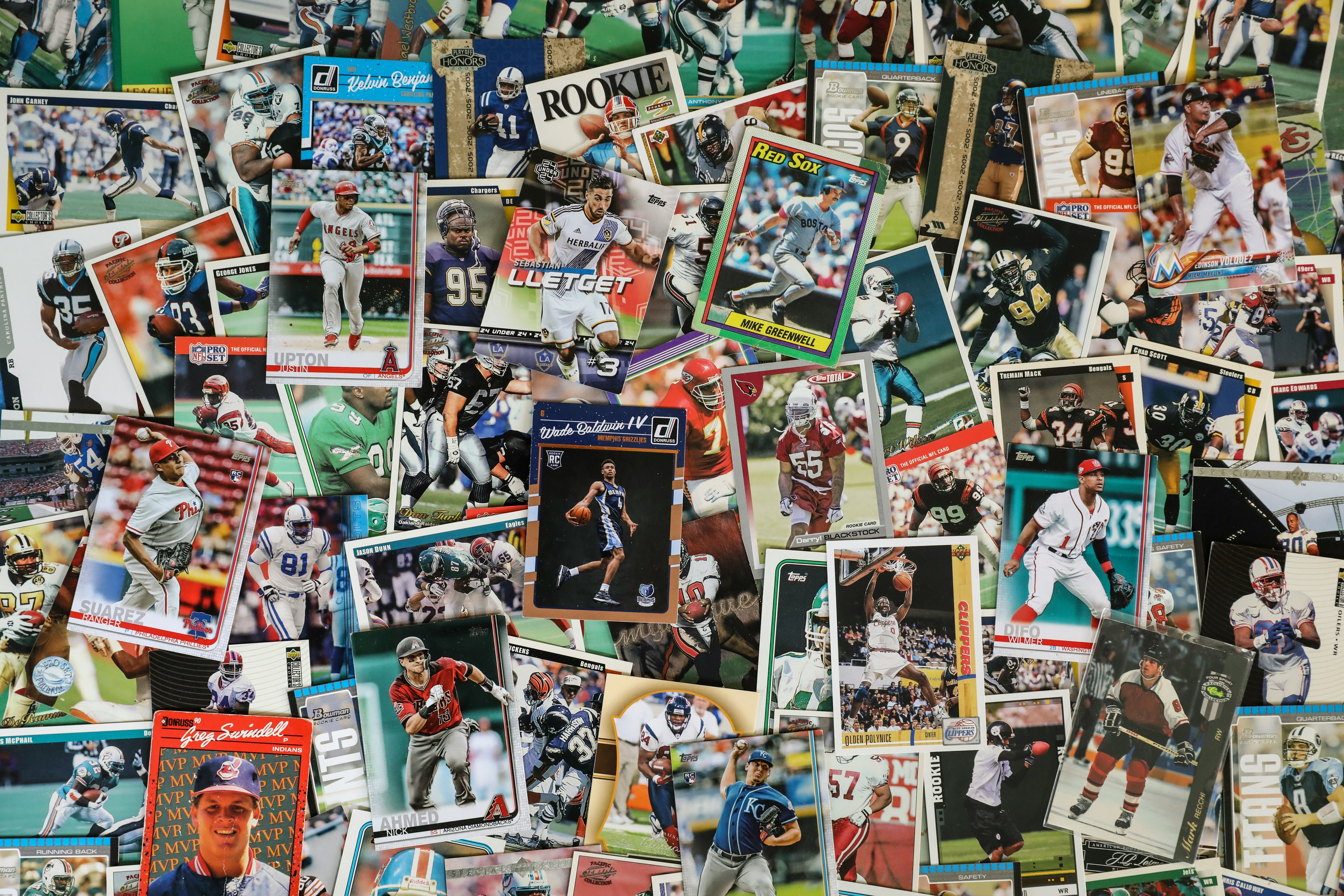
  Thinking about ways to sell collectibles? You're not alone. Many people are looking to turn their treasured items, whether it's a vast coin collection or stacks of sports cards, into cash. But where do you start the entire process? How do you know what's worth selling and what's just taking up space?  Don't worry, we've got you covered. This guide will walk you through everything you need to know to sell collectibles effectively. From figuring out what you've got to finding the right buyers, we'll help you turn your neat stuff into a nice chunk of change.  Know What You've Got  First things first, you need to figure out exactly what you're working with. Take a good inventory of your collection. What specific types of items do you have - is it primarily comic books, vintage toys, or sports memorabilia. Consider the condition and rarity of each piece. Is that stack of baseball cards full of commons, or are there potential hidden gems? Are your action figures still in their original packaging, or have they seen better days?  Do thorough research to get a ballpark idea of what your items might be worth. Check completed listings on online marketplace platforms like eBay, look at auction house results, and consult specialized collector forums or websites dedicated to specific items like video games or collectible coins. This research gives you a sense of current market value for similar collectibles.  For certain categories, grading is crucial. Professional grading services for comic book collections (like CGC or CBCS), sports cards (PSA, BGS), and coins (PCGS, NGC) can significantly impact value. Understanding grading standards helps you assess your collection more accurately. Look for identifying marks, manufacturer details, edition numbers, or specific variations, especially for items like fine art, pop culture memorabilia, or Star Wars figures. The historical significance of an item can also add value. Knowing these details helps differentiate your items and potentially increase their worth when you sell collectibles online or locally.  Get Your Items Appraised  For potentially valuable or rare collectible items, getting a professional appraisal is a smart move. An expert specializing in your category, like rare coins or fine art, can give you a much more accurate assessment of value than general research alone. They can identify subtle variations, confirm authenticity, and provide documentation that potential buyers trust.  Appraisers can offer different types of valuations, such as fair market value (what it might sell for) or insurance replacement value. Understand what type of appraisal you need based on your goals. Look for certified appraisers through professional organizations; referrals from trusted dealers or collector groups can also be helpful.  Many appraisers charge an hourly fee or a flat rate per item. Weigh the cost against the potential value of the item and the accuracy needed. For high-value pieces or entire collections, the investment in a professional appraisal is often well worth it for peace of mind and achieving the best possible selling price.  Clean and Organize Your Collection  Before you sell collectibles, presentation matters. Make sure your items are in the best possible condition for potential buyers. Clean them carefully, following appropriate methods for the materials involved – paper items like comic books need different handling than plastic action figures or metal coins.    Use gentle cleaning techniques and appropriate supplies; harsh chemicals or abrasive cleaning can severely damage items and reduce their value. Research specific care instructions for your type of collectibles before starting. Sometimes, less is more, especially with items where patina or original condition is valued.  Organize your items logically, perhaps by type, series, or value. This organization makes it easier to create listings, track inventory, and present your collection professionally if buyers view multiple items. Proper storage while organizing, like acid-free bags and boards for comics or protective cases for sports cards, also prevents further wear.  Take Great Photos  When you sell collectibles online, your photos do most of the selling. High-quality images are absolutely essential. Take clear, well-lit photos of each item from multiple angles to give buyers a complete view.  Use a plain, neutral background (like white or gray) to make the item stand out. Natural daylight is often best, but if using artificial light, make sure it's bright and doesn't create harsh shadows or distort colors. Consider using a simple lightbox for consistent, professional-looking results, especially if selling many similar items like collectible toys.  Capture close-ups of important details, signatures, markings, or edition numbers. Crucially, photograph any flaws, damage, or wear honestly; provide accurate visual information. Showing scale, perhaps by placing a common object like a coin next to the item (if appropriate), can also be helpful for buyers.  Write Detailed Descriptions  Alongside great photos, detailed and accurate descriptions are vital for attracting interested buyers and avoiding disputes. Include key information such as the item's name, manufacturer or artist, year of creation, dimensions, materials, and specific identifying features. For a comic book, mention the title, issue number, publisher, and grade (if professionally graded).  Describe the condition thoroughly and honestly. Use standard grading terms if applicable (e.g., Mint, Near Mint, Very Good for comics or records). Point out any specific flaws or damage, referencing your photos – transparency builds trust with potential buyers.  If you know the item's history or provenance (origin and ownership history), include that information, as it can add significant interest and value, especially for unique collectibles or items with historical significance. Proofread your descriptions carefully for typos or errors before publishing your items listed for sale. Providing accurate details helps buyers make informed decisions.  Choose Where to Sell  To get the fastest cash or maximize profit from your collectibles, start with the method that best matches your timeline, item value, and effort level. Here are the top options, ranked by speed and convenience first.  Pawn Shops For the quickest way to turn collectibles into immediate cash, pawn shops are unbeatable. Bring your items (baseball cards, action figures, coins, vinyl records, sports memorabilia, or vintage toys) to a local shop for an on-the-spot appraisal and cash offer—no listings, no shipping, no waiting. You walk out with money the same day, avoiding online risks, scams, or delays.  Pawn America stands out as the best pawn shop for selling collectibles quickly and easily. With multiple locations and a strong reputation for buying a wide range of items from rare comics and coins to music memorabilia and vintage toys—they offer competitive cash quotes and simple in-store transactions. While offers may be lower than private sales, the speed and zero hassle make Pawn America the top choice when you need cash fast.  Online Marketplaces Platforms like eBay, Etsy (great for vintage/handmade collectibles), and Amazon Marketplace give you access to millions of global buyers. eBay is especially strong for auctions or fixed-price sales of baseball cards, GI Joe figures, music memorabilia, and more. Pros: Huge audience, potential for top dollar. Cons: High competition, platform fees, excellent photos + detailed descriptions required, plus shipping and buyer communication. Facebook Marketplace works well for local cash deals or shipping, and niche collector groups (Star Wars, vinyl, etc.) connect you directly with passionate buyers.  Specialty Sites & Auction Houses: For higher-value or rare items, use targeted platforms like Heritage Auctions (comics, coins, movie posters), Goldin Auctions (sports cards/memorabilia), or Discogs (vinyl records). These attract serious collectors willing to pay premium prices. Auction houses often handle authentication, photography, and marketing via consignment—ideal for fine art, rare coins, or significant historical pieces, though commissions are higher and the process takes longer.  Local Options (other than pawn shops): Antique shops, consignment stores, flea markets, or collector shows let you sell in person. Great for bulky, fragile, or lower-value items—no shipping worries and immediate payment possible. Audience is smaller, so prices may be lower than online.  Here's a quick comparison of common sales channels:  Channel  Pros  Cons  Best For  Pawn Shops (e.g., Pawn America)  Instant cash, no shipping, zero hassle  Lower offers (resale margin)  Fast cash needed, any collectible type  General Online Marketplaces (eBay)  Huge audience, flexible formats  Competition, fees, shipping effort  Most collectibles, moderate value items  Specialty Sites/Auction Houses  Targeted buyers, higher prices possible  Higher fees, slower process  High-value/rare items, coins, sports, comics  Facebook Marketplace/Social Media  Local reach, low/no fees, direct contact  Smaller audience, scam risk  Local sales, bulky items, community building  Local Shops/Flea Markets  Immediate payment, face-to-face  Limited buyers, lower prices  Quick local sales, lower-to-moderate value    Price It Right  Setting the right price is critical when you sell collectibles. Price too high, and your items may sit unsold; price too low, and you leave money on the table. Research is essential – look at sold listings on platforms like eBay or auction sites, not just current asking prices, to gauge the actual collectibles market value.  Condition heavily influences price, so compare your item realistically to sold examples. Rarity, demand within the pop culture sphere or collecting community, and overall market trends also play significant roles. For instance, the market witnessed increased interest in video games and sports cards recently.  Consider your chosen sales venue. Prices achieved on eBay might differ from those at a specialized auction house or a local flea market. Factor in platform fees, shipping costs, and packing material expenses when setting your final price to ensure profitability. Offering competitive prices relative to similar items listed in similar condition increases your chances of a sale.  You might adopt a strategy of pricing slightly above the expected value with "Best Offer" enabled on platforms that allow it. This invites negotiation but sets a ceiling. Alternatively, start auctions at a low price to generate interest, but this carries the risk of selling below your desired amount if bidding isn't robust.  Be Patient  Selling collectibles, especially niche or high-value items, often requires patience. Some popular items might sell quickly, but finding the right buyer for a rare action figure or a specific type coin could take weeks, months, or even longer. Don't get discouraged by slow initial progress.  The collectibles market fluctuates. What's highly sought after today might cool off tomorrow, and vice versa. If an item isn't selling, reassess your price, photos, and description, but sometimes it's just a matter of waiting for the right interested buyers to appear.  Keep your online listings active and visible. Periodically review and refresh listings if allowed by the platform. Resist the urge to drastically slash prices immediately unless your initial research was significantly off or you need a very quick sale.  Handle Shipping Carefully  If selling online, proper packing and shipping are crucial to get your collectibles safely to the buyer. Damaged items lead to unhappy customers, returns, and negative feedback. Invest in appropriate packing materials: sturdy boxes, bubble wrap, packing peanuts, acid-free bags/boards for paper items, and rigid mailers or protectors for sports cards or photos.  Pack items snugly to prevent shifting during transit, providing ample cushioning, especially for fragile pieces. For valuable items, consider double-boxing (placing the primary box inside a slightly larger, well-padded shipping box). Choose a reliable shipping carrier and consider purchasing tracking and insurance, particularly for higher-value sales.  Clearly state your shipping costs and methods in your listings. Offer combined shipping if someone buys multiple items. Factor shipping supply costs into your overall pricing strategy, deciding whether to charge exact shipping, a flat rate, or offer "free" shipping (by incorporating the cost into the item price).  Keep Good Records  Maintaining organized records throughout the selling process is good practice. Keep track of each item you list, including its description, photos, listing location, and initial asking price. Once sold, record the final sale price, buyer information, date of sale, shipping costs, and tracking details.  This documentation helps you manage your inventory, track profitability, and handle any potential customer service issues. Save receipts for all related expenses, such as appraisal fees, listing fees, shipping supplies, and postage. These records are essential if you need to report income or potentially deduct expenses for tax purposes (consult a tax professional for specifics).  Build Relationships  If you plan to sell collectibles regularly, building positive relationships with buyers can be beneficial. Good communication, honest descriptions, secure packing, and prompt shipping contribute to a positive experience. Happy buyers are more likely to become repeat customers or recommend you to others within collector circles or online communities.  Respond politely and professionally to inquiries, even if they don't result in a sale. Address any issues or concerns fairly and promptly. A good reputation, whether on an online marketplace or within a local collecting scene, can significantly aid your long-term selling success when dealing with stuff collectibles.  Stay Informed  The collectibles market is dynamic, with trends and values shifting constantly. Staying informed about the specific types of collectibles you sell is important. Follow industry news, subscribe to collector magazines or newsletters, participate in online forums and social media groups, and attend collector shows if possible.  Understanding current trends helps you identify what's in demand, price your items effectively, and decide the best time to sell certain pieces. Knowing the market helps you spot undervalued hidden gems to buy collectibles for resale, or recognize when to hold onto items if the market is temporarily saturated. Knowledge of the collectibles today helps maximize your returns.  Conclusion  Selling collectibles can be a rewarding experience, turning items you've enjoyed into funds for new pursuits or simply clearing out space. It combines knowledge with smart selling practices. From initial research and appraisal to finding buyers and shipping carefully, taking deliberate steps improves your chances of success.  Remember the fundamentals: understand what you have and its realistic value in the current collectibles market, present your items professionally with great photos and descriptions, choose the right sales channel, and be patient. Whether you're selling a few items or entire collections, careful planning and execution can make the process smoother and more profitable. Happy selling your collectibles.   

Product Info February 09, 2025

We've all been there. An unexpected bill arrives, you desperately want to buy something special, or maybe you just need a little extra padding in your savings account. Whatever the reason, there are times in life when you need to generate some fast cash. Instead of resorting to drastic measures or taking on debt from credit cards, consider this: you probably have a treasure trove of things to sell to make quick cash right under your nose. It might be time to finally say goodbye to those old clothes gathering dust in the back of your closet, unearth the forgotten electronics in your drawers, or even part with those collectibles that seemed like a good idea at the time. This isn't about becoming a millionaire overnight - although, with a little luck and savvy, you never know. This is about unlocking the hidden cash potential of those belongings you barely remember you own. Earning extra money can be as simple as knowing what to sell to make quick cash; they are everywhere; you just need to know where to look. Unearthing Hidden Treasures: What to Sell for Fast Cash Pawn America should be your first stop when trying to make some quick cash! Just bring your items in, get them appraised, and get cash on the spot! The beauty of making money quickly by selling is that you're turning clutter into cash. Here's a look at some of the most common, and surprisingly valuable, everyday items that people often overlook: Clothing and Accessories: That recent study that revealed the average person doesn't wear 82% of their clothes? Time to turn that statistic into profit. Designer clothes, vintage pieces, and even just gently used everyday wear can be listed on platforms like Poshmark or eBay for a tidy profit. You can even try selling them on Facebook Marketplace to keep your earnings local. Watches and Jewelry: Watches, especially vintage or luxury brands, hold their value incredibly well. Chrono24 is an excellent example of a dedicated online marketplace specifically for watches. For other jewelry, consider online consignment shops or even a local pawn shop if you need cash immediately. You can often find higher prices online rather than going to a local pawn shop. Sneakers: The sneaker resale market is booming. Limited-edition releases, sought-after collaborations, or even just classic styles in excellent condition can fetch surprisingly high prices. You might be sitting on a goldmine and not even know it. Check out The RealReal's analysis of sneakers with the best resale value for some inspiration.  Electronics: While they might not have the charm of a vintage record, don't underestimate the enduring demand for used electronics. Smartphones, laptops, tablets, cameras - these are all items people are constantly searching for at a lower price point than buying new. Make sure they're in good working order, wipe any personal data, and list them online or at a local electronics reseller. Tapping into Niche Markets While those items offer a great starting point for things to sell to make quick cash, don’t be afraid to venture into niche markets. Your old stuff could be someone else’s sought-after treasure. This is where a bit of online research can make a significant difference: Collectibles: Do you have old toys, stamps, coins, or comic books tucked away? Thrift store finds have turned into incredible profits for some people. That box of baseball cards from your childhood or old gaming consoles could be worth thousands. Vintage board games are also experiencing a resurgence, often fetching prices significantly higher than their original selling price. You can often see vintage board games online for yourself. Remember those Pokémon cards everyone collected? Turns out, that nostalgia translates to cold, hard cash in today's market. A first edition, holographic Charizard card recently sold for $311,800. Sports Equipment: Sports equipment is another category often bought and sold used. Bikes, golf clubs, exercise equipment - if it's in decent condition, it's likely someone is looking to buy it secondhand. Consider listing your items on Facebook groups dedicated to buying and selling these types of items. Furniture and Home Décor: Large items might seem tricky to sell, but you'd be surprised at the demand for secondhand furniture and home décor. Online marketplaces specifically for furniture, like AptDeco, are becoming increasingly popular. Or, for local selling, try Facebook Marketplace or Craigslist. Make sure you are capable of moving large items or have the means to hire movers or get help from friends. Making the Sale: Tips for Success Knowing what to sell to make quick cash is just the first step. Presenting your items in the best light is crucial to actually make those sales and ensure you get the best possible prices. Photography is Key: Online, a picture is truly worth a thousand words, especially when it comes to things to sell to make quick cash. Clear, well-lit photos showcasing the item in its best light are crucial for grabbing attention. Something like 90% of online shoppers say that product photography is either 'very' or 'extremely' important. A good photo can mean the difference between a quick sale and an item that sits unsold. Honest and Detailed Descriptions: Don’t underestimate the power of a compelling description. Be detailed about the item's condition, brand, size, and any unique features. Highlight any selling points and be upfront about flaws or defects. Competitive Pricing: Do your research. Check out similar items listed on different platforms to get a feel for going rates. You want your pricing to be competitive to encourage a quick sale but fair so you're not undervaluing your items. Respond Quickly to Inquiries: Once your items are listed, responsiveness is key. Respond to inquiries promptly, answer questions fully, and make the transaction as smooth as possible. Conclusion Figuring out clever ways to make quick cash often means finding ways to unlock the hidden value in what you already own or even your skills. It's about tapping into the sheer volume of stuff the average person accumulates over time - belongings that may have served their purpose but are ready for a new owner. Remember, one person's unwanted items could be someone else's sought-after treasure, and with so many online platforms, turning those things to sell into quick cash has never been easier. So, take stock of what you have, price things competitively, and get ready for a profitable decluttering experience.

Product Info December 06, 2022

Did you know that about 22% of American adults are underbanked or unbanked? Yes, you heard that right! That's about 63 million Americans with no access to financial institutions, limiting their chances of getting loans from these institutions. Luckily, pawn shops come in to improve the situation for all of these people when they need cash quickly. A pawn shop buys or accepts any valuable item in exchange for a collateral loan. But what items do they take, and what do pawn stores pay the most for? Stick with me as we explore the answers to these questions and more!   What is a pawn shop? A pawn shop is a business that allows you to borrow money against the value of an item you own. This means you receive cash (as a loan) while leaving your valuable item with the pawn store. You can then repay the loan with interest, or forfeit your item if you can't repay it. Pawn Shops also buy and sell items, meaning you can get quick cash for your old possessions. Pawn broking traces its origin back to 5th Century China, and was also used in Ancient Rome and Greece. Thousands of years down the line, the practice is still relevant, with more than 9,200 pawn shops in the United States, attracting approximately 30 million customers yearly! Contrary to what some people believe, pawn shops are very legitimate businesses. Pawnbrokers must follow all governmental regulations applicable to other financial institutions, including the Patriot Act and Truth-in-Lending Act. This means that they are trustworthy and dependable (just like any other stores you frequent)!   Pawning vs. selling: what's the difference? Most individuals confuse pawning with selling, but the two terms mean different things. Let's see how they differ: Pawning The main difference between pawning and selling is that if you utilize pawning, you can get your item back! If you choose to pawn an item, the pawnbroker will give you cash based on your item's value, and you'll have a set time to pay the money back, plus interest. The pawnbroker may sell your item to recover their money if you can't repay the loan within the defined time frame. But if you do pay the loan back, you get your items back right away! And the best thing about pawning an item is that it's relatively quick and easy. Plus, you don't have to worry about bargaining with buyers online. Selling You can also sell your items to a pawn shop by bringing them in and asking for a cash offer. You'll negotiate an agreement with the pawnbroker for how much they'll pay for your items. Once you sell your items, you and the pawnbroker will have no further obligation. You can happily carry on with your day (with more cash in your pocket, and less clutter in your house)!     Now that we know the difference, what should you do? Should I sell or pawn? If you no longer need the item, selling it is the best way to go! However, if you value the item and want to remain its owner, pawning it for quick cash is the best option. A pawn shop is likely to pay more for an item if you are selling it as compared to pawning it. What percentage of an item's value do pawn shops pay? Most of these shops will pay around 25-60% of the value of your item. Note: If you choose to pawn your stuff, you may be interested to know what things pawn shops always buy and what items the pawn stores pay the most for, right? If that's so, the next part is for you. We'll discuss things pawn shops always buy and mention the high-demand pawn items. What do pawn shops take? If you are interested in pawning your stuff, one of the common questions that will come up is, "what do pawn shops accept?" The short answer to this question is that pawn stores accept almost everything. You can pawn engine parts, books, jewelry, stamps, electronics, furniture, vintage magazines, etc. However, pawn shops are more interested in buying items with good resale value. Here are items you can pawn for quick cash: Jewelry and precious metals: These are the most common items in pawn shops and can fetch you $1000 or more. Electronics and smart devices: Pawn shops will buy new and used electronics like smart speakers, Air Pods, gaming laptops, consoles, etc. Art pieces, old coins, rare collectibles, and musical instruments: Used good-quality collectibles, art pieces, musical instruments, or old coils can be pawned for a good amount of money. The pawn amount will depend on the rarity and value of the item. Guns and firearms: Yes, you can pawn your firearms and guns, provided they are registered in your name. You can receive as much as $1000 for a gun if they are in good condition. Designer pieces: A designer watch, handbag, purse, or sneakers can fetch you a good amount of money (upwards of $1000). Vehicles: You can cash in your used car or pickup for more than $1000, based on its condition. Appliances, equipment, and tools: Used kitchen, garden, and construction equipment and tools can help you get quick cash. And while most of these tools will fetch little money, some high-end equipment like nail guns, sanders, power saws, and air compressors can reach up to $500.   What do pawn shops pay the most for? Pawn stores usually pay the most for jewelry like diamonds and gold, timepieces, coins, vintage sneakers, designer purses, and handbags. However, every pawn shop can buy high-ticket items, including vehicles, real estate, and jewelry. What are the best things to sell at pawn shops? If you have some extra belongings in the house, you can sell them and get some cash. The amount of money you get from the pawn dealer can vary based on the item's condition, popularity, and the place you are. For the best offer, you should visit several local pawn shops. Here are the best things to pawn and the amount of money you can get:   What to pawn for $50 Here are items to pawn for $50: ·  Musical instruments ·  Kitchen Appliances ·  Tech devices ·  Designer accessories like belts and sunglasses ·  Garden tools Note: You'll likely earn more cash from the items if they are clean and in excellent condition.   What to pawn for $100 Need $100 quick cash? Here are items you can pawn: ·  Smart appliances ·  Jewelry with precious gemstones, metals, and scrap metal from old jewelry ·  Registered firearms ·  Air-conditioning units ·  Movie projectors ·  Game Systems ·  Smaller TV’s ·  Jewelry ·  iPads ·  Apple Watches ·  Lithium Tools Note: Again, you are likely to earn more money from items in excellent condition. For instance, you may get more cash for newer Apple Watches or larger 4k TV.   What to pawn for $200 Here are items you can pawn for $200: ·  Mountain bikes ·  Beach cruisers ·  Golf clubs ·  Nintendo Switch ·  Sports bike     What to pawn for $300 You can earn good money by pawning older tech devices and older gadgets that are in good condition. Here are items you can pawn for $300: ·  Smartphones in better condition ·  Late-model Apple devices ·  Good quality latest laptops ·  Jewelry with precious metals (like Rolex, Chopard, and Breitling) ·  Gold Chain ·  Fire Arms ·  Large Smart TVs ·  PS5 ·  Xbox (newer models) ·  Bullion ·  New model iPads ·  MacBooks ·  Gaming Computers ·  Drones   What to pawn for $500 Pawning items in perfect condition can get you as much as $500. These items include: ·  Jewelry ·  Bullion ·  Diamonds ·  Gold Coins ·  Firearms ·  Drones ·  Designer Watches ·  Professional Cameras Note: Pawn dealers will also pay $500 or more for designer pieces and jewelry. The price will also range depending on the precious metals used, brand, condition, and overall value. For instance, you can cash-sell Tiffany jewelry to pawn stores for $500   What can pawn for $1000 Finding the best things to pawn for $1000 is tricky, mainly because the loan is much lower than the collateral value. However, you can expect to get $1000 if you pawn the following items: ·  Diamond rings – rings can fetch you even more cash, depending on their size and  current market value ·  Riding lawnmowers ·  Current tech products like gaming laptops and perfect-quality MacBook ·  High-end jewelry, such as diamond bracelets, necklaces, and brooches ·  High-end watches from Chopard, Rolex, Panerais, etc. ·  High-quality and in-demand firearms and guns registered in your name ·  Registered motorcycles, old cars, or trucks registered in your name ·  Bullion ·  Gold and Silver coins   How do I get the best pawn shops near me? Most large cities have several pawn shops, so finding one isn't hard! Walking into a pawn shop and getting money is also not rocket science, especially if you have something valuable. However, getting the right pawn shop for you and your item can feel like a daunting task.. It's possible to get ripped off, especially if the pawn dealer notices you need the money. But, if you follow these tips, the experience will be wonderful! Here are tips to keep in mind when pawning: 1. Don't do business if you are uncomfortable 2. Don't be afraid to ask questions 3. Ask to see the store’s  pawning license 4. Do your research to find out how much your item is worth 5. Be ready to negotiate 6. Visit several pawn shops before pawning your products 7. Bundle several products if you want a certain amount of money but can’t get it with just one item. 8. Check for interest rates and other fees These few ideas will help you get the highest possible price and know what to do next time you pawn your collectibles.   The bottom line Today, approximately 61% of Americans live paycheck to paycheck. It's not always possible to cover all expenses until the next paycheck arrives. In uncertain times – like the current economic uncertainty – you can benefit from quick extra cash to keep the bills from piling up. And even if you aren't straining financially, something may demand that you get some quick cash. There are innumerable ways to make cash fast, with pawning items being one of the best options you have. This article helps you discover the things that pawn shops pay for most.

  • Sign In
  • Register
Password Reset

Enter your email address and we’ll send you a link to reset your password.

Account Verification
Remove Address?
Are you sure you want to remove this address from your account?
Remove Credit Card?
Are you sure you want to remove this credit card from your account?
Free Shipping
Order Tracking
Please enter your order tracking number.