
How to Sell Collectibles Online for Maximum Profit
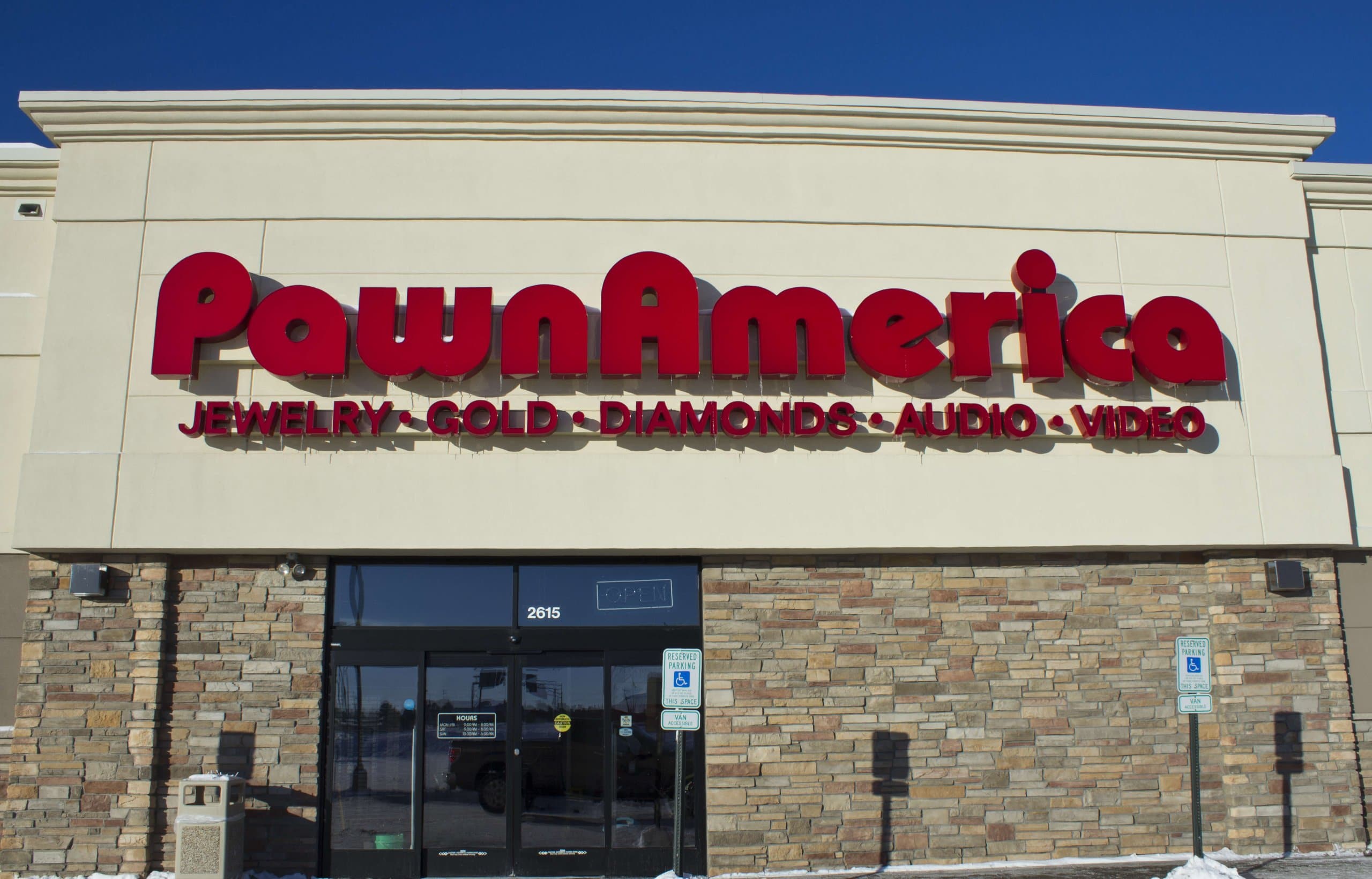
January 22, 2026Thinking about ways to sell collectibles? You're not alone. Many people are looking to turn their treasured items, whether it's a vast coin collection or stacks of sports cards, into cash. But where do you start the entire process? How do you know what's worth selling and what's just taking up space? Don't worry, we've got you covered. This guide will walk you through everything you need to know to sell collectibles effectively. From figuring out what you've got to finding the right buyers, we'll help you turn your neat stuff into a nice chunk of change. Know What You've Got First things first, you need to figure out exactly what you're working with. Take a good inventory of your collection. What specific types of items do you have - is it primarily comic books, vintage toys, or sports memorabilia. Consider the condition and rarity of each piece. Is that stack of baseball cards full of commons, or are there potential hidden gems? Are your action figures still in their original packaging, or have they seen better days? Do thorough research to get a ballpark idea of what your items might be worth. Check completed listings on online marketplace platforms like eBay, look at auction house results, and consult specialized collector forums or websites dedicated to specific items like video games or collectible coins. This research gives you a sense of current market value for similar collectibles. For certain categories, grading is crucial. Professional grading services for comic book collections (like CGC or CBCS), sports cards (PSA, BGS), and coins (PCGS, NGC) can significantly impact value. Understanding grading standards helps you assess your collection more accurately. Look for identifying marks, manufacturer details, edition numbers, or specific variations, especially for items like fine art, pop culture memorabilia, or Star Wars figures. The historical significance of an item can also add value. Knowing these details helps differentiate your items and potentially increase their worth when you sell collectibles online or locally. Get Your Items Appraised For potentially valuable or rare collectible items, getting a professional appraisal is a smart move. An expert specializing in your category, like rare coins or fine art, can give you a much more accurate assessment of value than general research alone. They can identify subtle variations, confirm authenticity, and provide documentation that potential buyers trust. Appraisers can offer different types of valuations, such as fair market value (what it might sell for) or insurance replacement value. Understand what type of appraisal you need based on your goals. Look for certified appraisers through professional organizations; referrals from trusted dealers or collector groups can also be helpful. Many appraisers charge an hourly fee or a flat rate per item. Weigh the cost against the potential value of the item and the accuracy needed. For high-value pieces or entire collections, the investment in a professional appraisal is often well worth it for peace of mind and achieving the best possible selling price. Clean and Organize Your Collection Before you sell collectibles, presentation matters. Make sure your items are in the best possible condition for potential buyers. Clean them carefully, following appropriate methods for the materials involved – paper items like comic books need different handling than plastic action figures or metal coins. Use gentle cleaning techniques and appropriate supplies; harsh chemicals or abrasive cleaning can severely damage items and reduce their value. Research specific care instructions for your type of collectibles before starting. Sometimes, less is more, especially with items where patina or original condition is valued. Organize your items logically, perhaps by type, series, or value. This organization makes it easier to create listings, track inventory, and present your collection professionally if buyers view multiple items. Proper storage while organizing, like acid-free bags and boards for comics or protective cases for sports cards, also prevents further wear. Take Great Photos When you sell collectibles online, your photos do most of the selling. High-quality images are absolutely essential. Take clear, well-lit photos of each item from multiple angles to give buyers a complete view. Use a plain, neutral background (like white or gray) to make the item stand out. Natural daylight is often best, but if using artificial light, make sure it's bright and doesn't create harsh shadows or distort colors. Consider using a simple lightbox for consistent, professional-looking results, especially if selling many similar items like collectible toys. Capture close-ups of important details, signatures, markings, or edition numbers. Crucially, photograph any flaws, damage, or wear honestly; provide accurate visual information. Showing scale, perhaps by placing a common object like a coin next to the item (if appropriate), can also be helpful for buyers. Write Detailed Descriptions Alongside great photos, detailed and accurate descriptions are vital for attracting interested buyers and avoiding disputes. Include key information such as the item's name, manufacturer or artist, year of creation, dimensions, materials, and specific identifying features. For a comic book, mention the title, issue number, publisher, and grade (if professionally graded). Describe the condition thoroughly and honestly. Use standard grading terms if applicable (e.g., Mint, Near Mint, Very Good for comics or records). Point out any specific flaws or damage, referencing your photos – transparency builds trust with potential buyers. If you know the item's history or provenance (origin and ownership history), include that information, as it can add significant interest and value, especially for unique collectibles or items with historical significance. Proofread your descriptions carefully for typos or errors before publishing your items listed for sale. Providing accurate details helps buyers make informed decisions. Choose Where to Sell To get the fastest cash or maximize profit from your collectibles, start with the method that best matches your timeline, item value, and effort level. Here are the top options, ranked by speed and convenience first. Pawn Shops For the quickest way to turn collectibles into immediate cash, pawn shops are unbeatable. Bring your items (baseball cards, action figures, coins, vinyl records, sports memorabilia, or vintage toys) to a local shop for an on-the-spot appraisal and cash offer—no listings, no shipping, no waiting. You walk out with money the same day, avoiding online risks, scams, or delays. Pawn America stands out as the best pawn shop for selling collectibles quickly and easily. With multiple locations and a strong reputation for buying a wide range of items from rare comics and coins to music memorabilia and vintage toys—they offer competitive cash quotes and simple in-store transactions. While offers may be lower than private sales, the speed and zero hassle make Pawn America the top choice when you need cash fast. Online Marketplaces Platforms like eBay, Etsy (great for vintage/handmade collectibles), and Amazon Marketplace give you access to millions of global buyers. eBay is especially strong for auctions or fixed-price sales of baseball cards, GI Joe figures, music memorabilia, and more. Pros: Huge audience, potential for top dollar. Cons: High competition, platform fees, excellent photos + detailed descriptions required, plus shipping and buyer communication. Facebook Marketplace works well for local cash deals or shipping, and niche collector groups (Star Wars, vinyl, etc.) connect you directly with passionate buyers. Specialty Sites & Auction Houses: For higher-value or rare items, use targeted platforms like Heritage Auctions (comics, coins, movie posters), Goldin Auctions (sports cards/memorabilia), or Discogs (vinyl records). These attract serious collectors willing to pay premium prices. Auction houses often handle authentication, photography, and marketing via consignment—ideal for fine art, rare coins, or significant historical pieces, though commissions are higher and the process takes longer. Local Options (other than pawn shops): Antique shops, consignment stores, flea markets, or collector shows let you sell in person. Great for bulky, fragile, or lower-value items—no shipping worries and immediate payment possible. Audience is smaller, so prices may be lower than online. Here's a quick comparison of common sales channels: Channel Pros Cons Best For Pawn Shops (e.g., Pawn America) Instant cash, no shipping, zero hassle Lower offers (resale margin) Fast cash needed, any collectible type General Online Marketplaces (eBay) Huge audience, flexible formats Competition, fees, shipping effort Most collectibles, moderate value items Specialty Sites/Auction Houses Targeted buyers, higher prices possible Higher fees, slower process High-value/rare items, coins, sports, comics Facebook Marketplace/Social Media Local reach, low/no fees, direct contact Smaller audience, scam risk Local sales, bulky items, community building Local Shops/Flea Markets Immediate payment, face-to-face Limited buyers, lower prices Quick local sales, lower-to-moderate value Price It Right Setting the right price is critical when you sell collectibles. Price too high, and your items may sit unsold; price too low, and you leave money on the table. Research is essential – look at sold listings on platforms like eBay or auction sites, not just current asking prices, to gauge the actual collectibles market value. Condition heavily influences price, so compare your item realistically to sold examples. Rarity, demand within the pop culture sphere or collecting community, and overall market trends also play significant roles. For instance, the market witnessed increased interest in video games and sports cards recently. Consider your chosen sales venue. Prices achieved on eBay might differ from those at a specialized auction house or a local flea market. Factor in platform fees, shipping costs, and packing material expenses when setting your final price to ensure profitability. Offering competitive prices relative to similar items listed in similar condition increases your chances of a sale. You might adopt a strategy of pricing slightly above the expected value with "Best Offer" enabled on platforms that allow it. This invites negotiation but sets a ceiling. Alternatively, start auctions at a low price to generate interest, but this carries the risk of selling below your desired amount if bidding isn't robust. Be Patient Selling collectibles, especially niche or high-value items, often requires patience. Some popular items might sell quickly, but finding the right buyer for a rare action figure or a specific type coin could take weeks, months, or even longer. Don't get discouraged by slow initial progress. The collectibles market fluctuates. What's highly sought after today might cool off tomorrow, and vice versa. If an item isn't selling, reassess your price, photos, and description, but sometimes it's just a matter of waiting for the right interested buyers to appear. Keep your online listings active and visible. Periodically review and refresh listings if allowed by the platform. Resist the urge to drastically slash prices immediately unless your initial research was significantly off or you need a very quick sale. Handle Shipping Carefully If selling online, proper packing and shipping are crucial to get your collectibles safely to the buyer. Damaged items lead to unhappy customers, returns, and negative feedback. Invest in appropriate packing materials: sturdy boxes, bubble wrap, packing peanuts, acid-free bags/boards for paper items, and rigid mailers or protectors for sports cards or photos. Pack items snugly to prevent shifting during transit, providing ample cushioning, especially for fragile pieces. For valuable items, consider double-boxing (placing the primary box inside a slightly larger, well-padded shipping box). Choose a reliable shipping carrier and consider purchasing tracking and insurance, particularly for higher-value sales. Clearly state your shipping costs and methods in your listings. Offer combined shipping if someone buys multiple items. Factor shipping supply costs into your overall pricing strategy, deciding whether to charge exact shipping, a flat rate, or offer "free" shipping (by incorporating the cost into the item price). Keep Good Records Maintaining organized records throughout the selling process is good practice. Keep track of each item you list, including its description, photos, listing location, and initial asking price. Once sold, record the final sale price, buyer information, date of sale, shipping costs, and tracking details. This documentation helps you manage your inventory, track profitability, and handle any potential customer service issues. Save receipts for all related expenses, such as appraisal fees, listing fees, shipping supplies, and postage. These records are essential if you need to report income or potentially deduct expenses for tax purposes (consult a tax professional for specifics). Build Relationships If you plan to sell collectibles regularly, building positive relationships with buyers can be beneficial. Good communication, honest descriptions, secure packing, and prompt shipping contribute to a positive experience. Happy buyers are more likely to become repeat customers or recommend you to others within collector circles or online communities. Respond politely and professionally to inquiries, even if they don't result in a sale. Address any issues or concerns fairly and promptly. A good reputation, whether on an online marketplace or within a local collecting scene, can significantly aid your long-term selling success when dealing with stuff collectibles. Stay Informed The collectibles market is dynamic, with trends and values shifting constantly. Staying informed about the specific types of collectibles you sell is important. Follow industry news, subscribe to collector magazines or newsletters, participate in online forums and social media groups, and attend collector shows if possible. Understanding current trends helps you identify what's in demand, price your items effectively, and decide the best time to sell certain pieces. Knowing the market helps you spot undervalued hidden gems to buy collectibles for resale, or recognize when to hold onto items if the market is temporarily saturated. Knowledge of the collectibles today helps maximize your returns. Conclusion Selling collectibles can be a rewarding experience, turning items you've enjoyed into funds for new pursuits or simply clearing out space. It combines knowledge with smart selling practices. From initial research and appraisal to finding buyers and shipping carefully, taking deliberate steps improves your chances of success. Remember the fundamentals: understand what you have and its realistic value in the current collectibles market, present your items professionally with great photos and descriptions, choose the right sales channel, and be patient. Whether you're selling a few items or entire collections, careful planning and execution can make the process smoother and more profitable. Happy selling your collectibles.