
Essential Guide to Buying Camera and Lens: Tips & Tricks
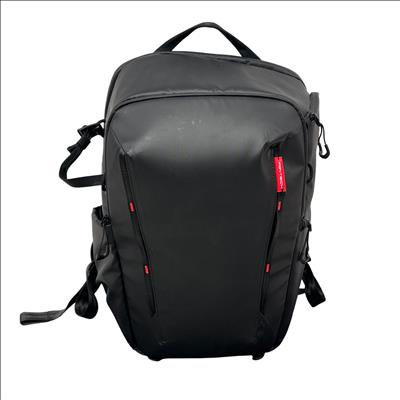
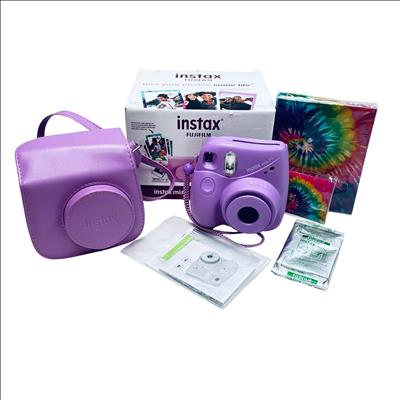
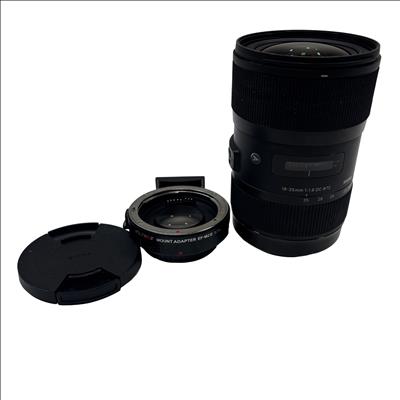
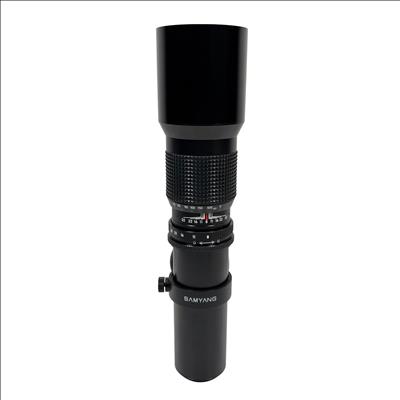
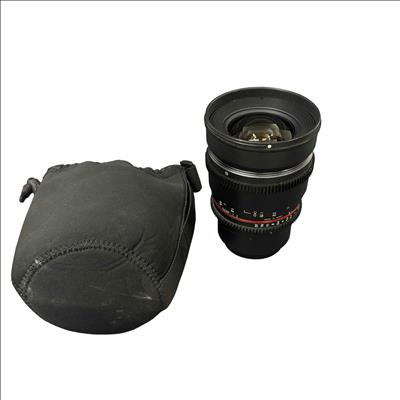
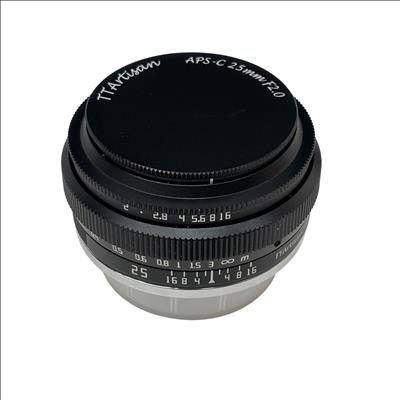
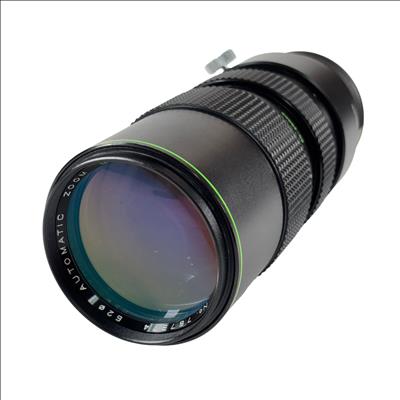
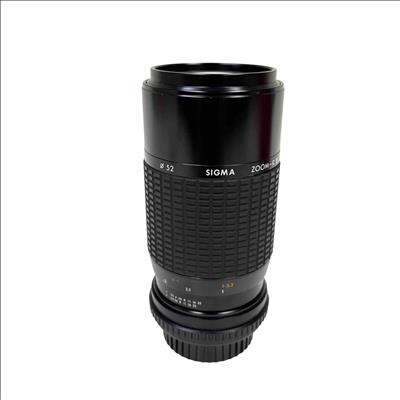
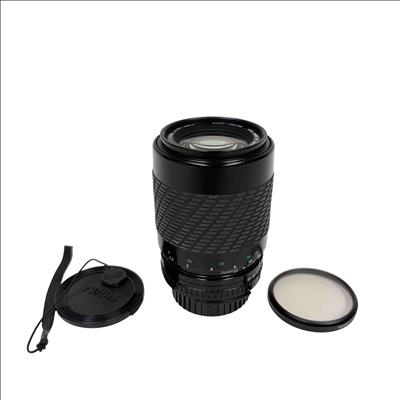
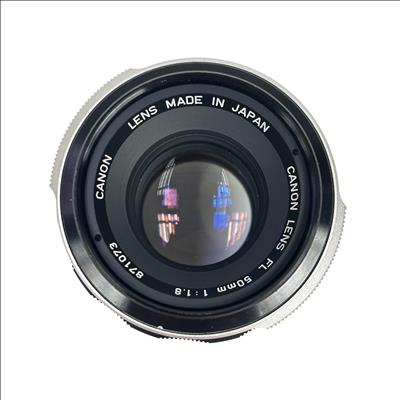
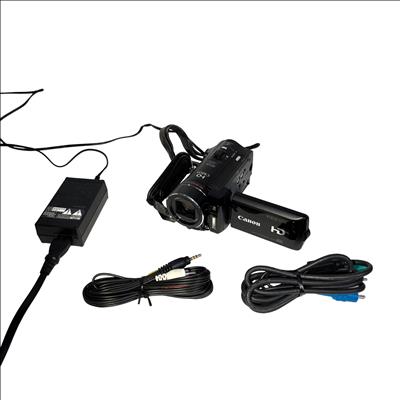
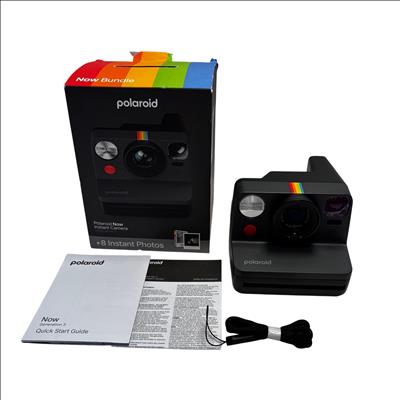
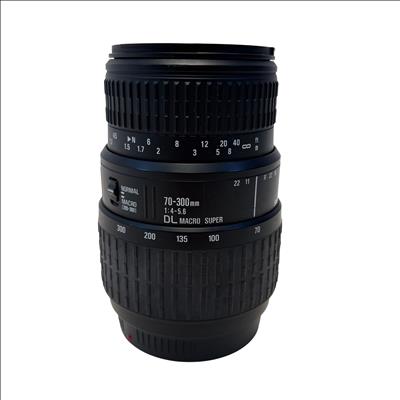
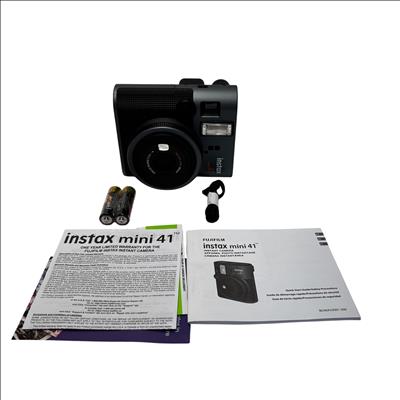
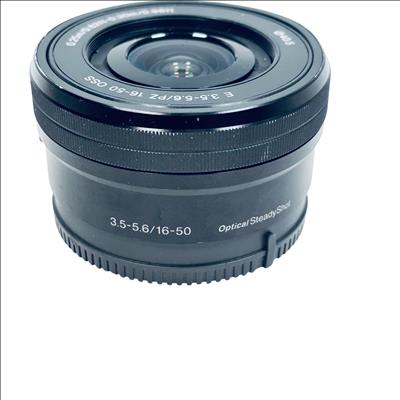
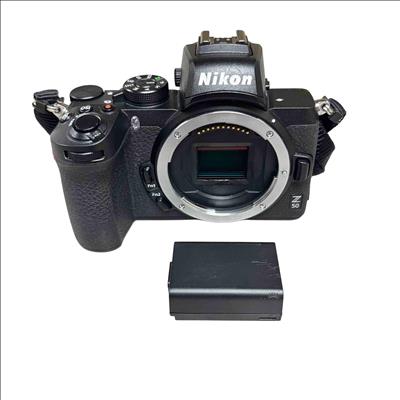
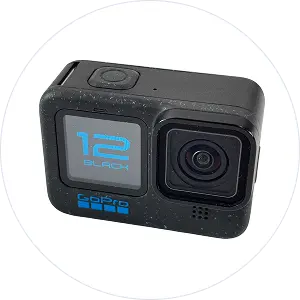
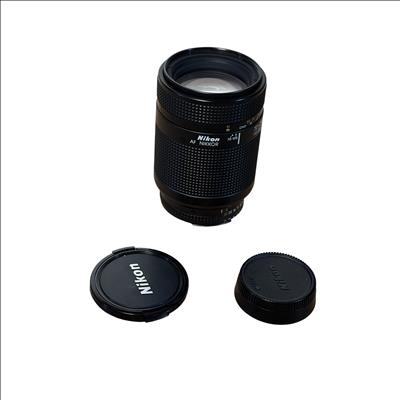
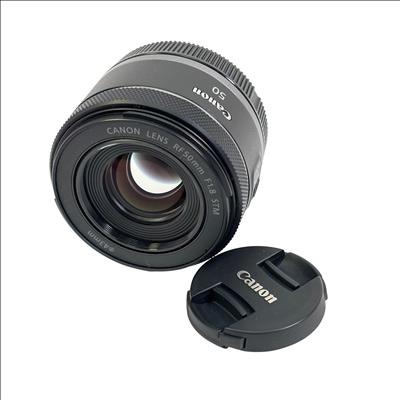
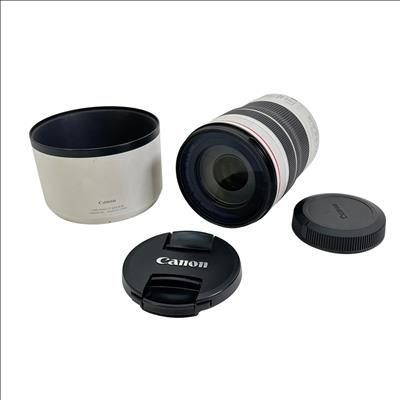
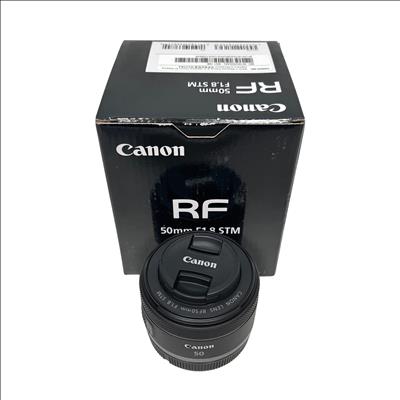
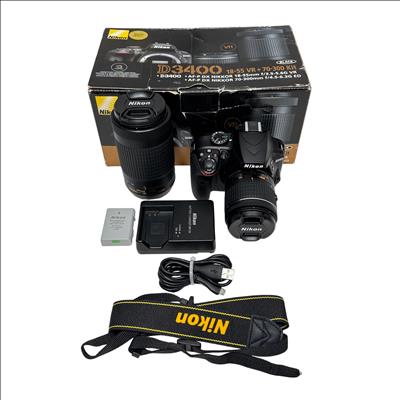
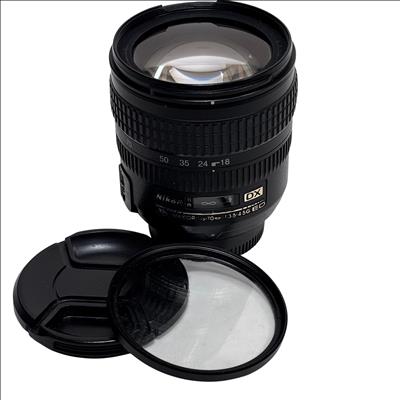
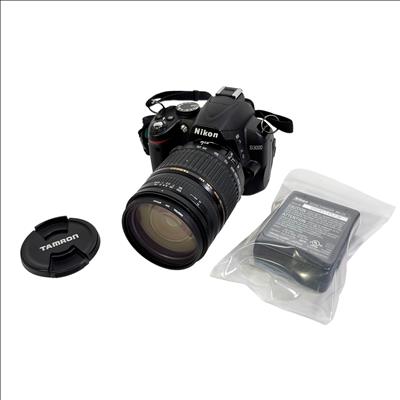
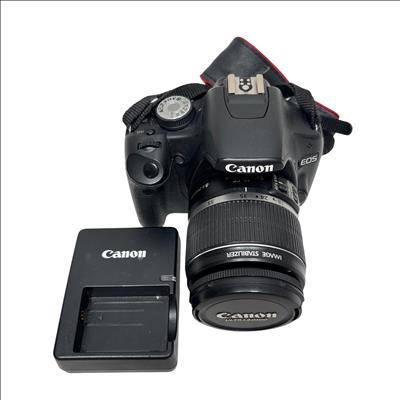
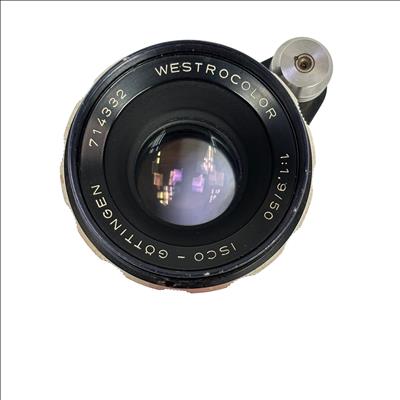
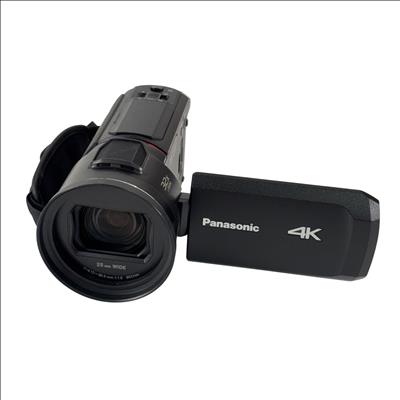
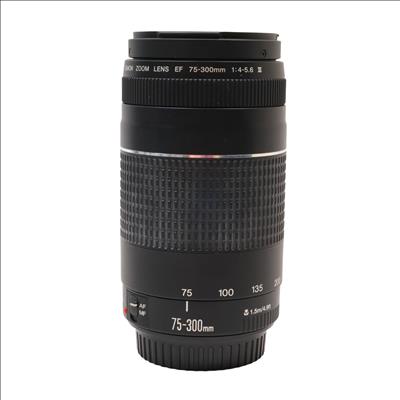
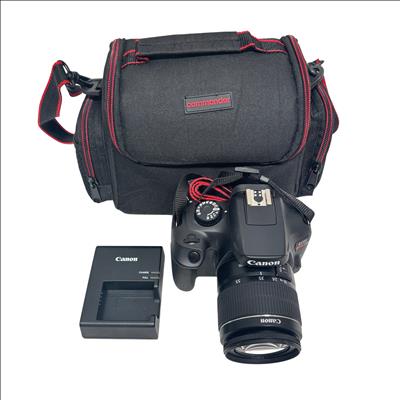
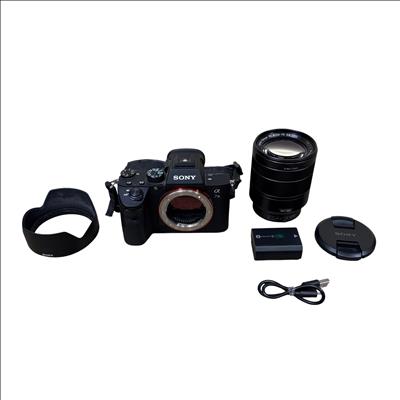
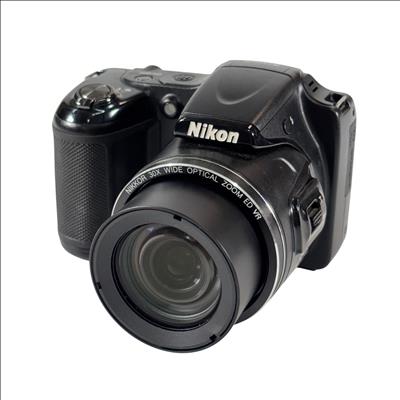
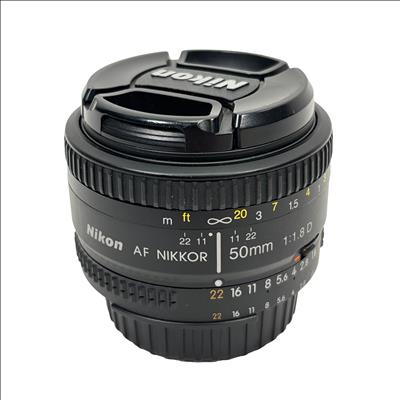
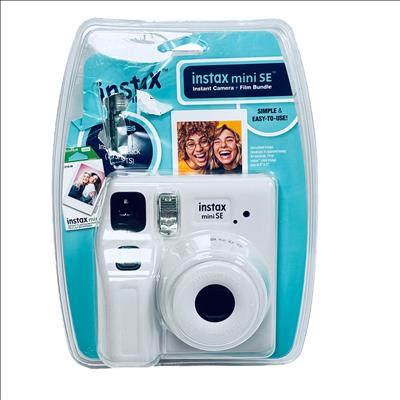
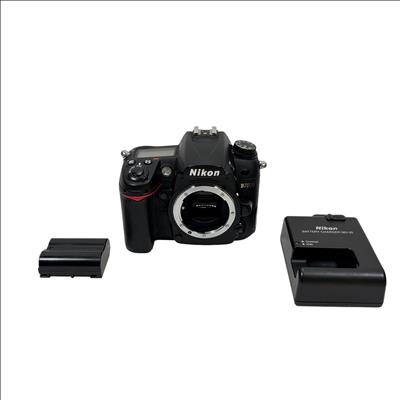
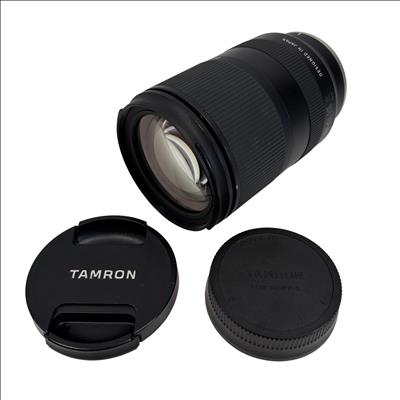
August 07, 2018If you have ever stared at a wall of camera bodies and glass and thought, "Where do I even start with this camera and lens guide stuff?" you are not alone. It can be overwhelming to see rows of black gadgets that all look the same but have vastly different price tags. Cameras are packed with specs, lenses have numbers all over them, and your budget is likely not unlimited. A clear camera and lens guide can cut through that noise and help you buy smart instead of guessing. This article will walk you through how to pick a camera, how to match it with the right lens, and how to shop on a budget without sacrificing quality. What Are You Actually Shooting? You do not need the most expensive setup on the market. You need the right tool for what you shoot most often. Buying a cinema camera for family vacation photos is just as impractical as using a smartphone for professional sports photography. Before you think about brands or megapixels, decide what you care about. This choice determines the features you actually need versus the ones that just sound nice. Here are four common shooting goals and what they usually need. Vlogging and YouTube video. Travel and family photos. Sports and action. Portraits and products for social media or business. You might fall into more than one, but one of these is usually the priority. A travel photographer needs a lightweight kit that fits in a carry-on bag. A studio portrait photographer cares less about weight and more about resolution. Keep your specific main goal in mind as you read the rest. It will act as your filter for every decision you make. How To Choose the Right Camera Body The camera body is your base. Lenses, lights, and microphones all plug into this central choice. It dictates which ecosystem of accessories you can use later. Most people shopping for used or budget friendly gear are comparing three broad categories. Understanding the strengths of each helps you avoid buying gear that fights against your style. Type Best for Main pros Main trade offs Compact / point and shoot Casual travel, family photos Small, simple, no lens swaps Less control, limited in low light Mirrorless / DSLR Most creators and hobbyists Interchangeable lenses, great image quality Larger, more to learn Action cameras Sports, biking, skiing, first person view Rugged, tiny, wide view, waterproof Fixed lens, more distortion That fancy phone in your pocket is still great for quick snaps, by the way. But a real camera pulls ahead in low light, fast action, and with shallow background blur that phones still fake more than they create. A dedicated camera also saves your phone battery for navigation and communication. Within the interchangeable lens category, you will see DSLR and Mirrorless options. DSLRs are the older, rugged workhorses with optical viewfinders that look directly through the lens. Mirrorless cameras are newer, often smaller, and use digital screens for composing your shots. Vlogging and Video Focus If you care about talking to the camera, walking shots, or daily vlogs, you want features that make video easier. Video requires specific tools that still photography can ignore. Look for these on the spec sheet. Clean, sharp video at 1080p or 4K resolution. Fast and steady autofocus that tracks faces or eyes automatically. Good low light performance at higher ISO settings for indoor shooting. A flip or tilt screen so you can see yourself while filming. Mic input so you can add an external microphone for clear audio. The older GoPro HERO models, like the HERO3 Plus, show why action style cameras are still loved for on the go content. They are tough, small, and can go places your phone cannot. They handle water, mud, and drops better than any delicate mirrorless body. However, action cameras often have a very wide, distorted look. If you shoot more sit down talking videos than cliff dives, a small DSLR or mirrorless body often gives better low light results. You also gain far more control over your audio quality with dedicated ports. Still Photos and Everyday Use If you picture framed prints or clean social media photos, you probably lean on still images more than video. Photography prioritizes different specs, like dynamic range and color depth. You do not need a crazy resolution sensor. For most people, 20 to 24 megapixels is already a lot. That gives room to crop your image significantly and still print big without looking soft. Entry level cameras like older Nikon Coolpix models or compact Canon Rebels show up a lot in pawn shops and resale shelves because they hit a nice middle point. They offer enough image quality to look sharp without a price tag that makes you nervous to take the camera out of the house. These cameras are often fantastic for learning the basics of exposure triangle. Another factor for everyday use is ergonomics. If the camera feels too heavy or the grip is uncomfortable, you will leave it at home. Make sure the buttons are easy to reach for your hand size. Sports and Action Shooting Action is more about speed than resolution. You need a camera that reacts instantly when you press the button. If you want sharp shots of your kid sliding into home or a dog mid jump, the camera needs to shoot fast frames. It also must lock focus quickly on moving subjects. Look for at least 5 frames per second in burst mode. Check that it has a decent continuous autofocus setting (often called AI Servo or AF-C). Make sure it has a real viewfinder so you are not guessing on a bright field. Consider the buffer size, which dictates how many shots you can take before the camera pauses to save. Pair that speed with the right telephoto lens and suddenly that local game starts to look like you shot it from the press box. You can freeze water droplets or catch the exact moment a ball hits the bat. Why Lenses Matter Just As Much A lot of new buyers obsess over camera bodies. Then they slap on a cheap kit lens and feel a little let down by the results. This is the most common mistake beginners make. The lens controls how light enters the camera and how your scene looks. Two shooters can use the same camera body but get very different images because of the glass they mount. A high-quality lens on an old camera usually outperforms a cheap lens on a new camera. Think of the lens as your creative paintbrush and the camera as the canvas. You can change the canvas later, but the brush determines the stroke. The Three Lens Specs That Actually Matter You will see long strings of numbers on every lens barrel. Only a few really change how you shoot or the look of your images. Focal length, measured in millimeters. Maximum aperture, often written as f followed by a number. Zoom or prime, meaning variable or fixed focal length. Focal length tells you how "zoomed in" a lens is. Small numbers like 10 to 24 are wide and show more of the scene, perfect for landscapes or real estate. Longer numbers like 75 to 300 pull in distant subjects and give that nice compressed look where background elements appear closer. The maximum aperture number controls how much light you can gather and how blurred the background can be. Lower numbers, like f1.8, bring in more light and give creamier blur than something like f5.6. This is crucial for shooting indoors without using a flash. Zoom lenses offer convenience by covering multiple focal lengths in one package. Prime lenses have a fixed focal length but often provide sharper images and wider apertures for the price. Camera And Lens Guide: Matching The Right Combo This is where most buyers overthink things. There is no perfect combo that does everything perfectly. There is a best combo for your main use, plus maybe one extra lens as a bonus. Let us walk through simple starter pairs for different types of shooters. This gives you a clear camera and lens guide in your head while you shop. Vlogger And Creator Setup For handheld video and YouTube style content, you want a camera that feels light and a lens that is wide. You do not want a heavy setup that tires your arm after two minutes. A typical pairing looks like this. Small DSLR or mirrorless body with a flip screen. Wide zoom lens in the 10 to 22 or 16 to 35 range. The wide field lets you hold the camera at arm's length and still fit yourself and the background in the frame. Look for an aperture that stays at f2.8 to f4, so you can work indoors without harsh lights. Optical stabilization in the lens is also a huge plus for smoothing out handheld shakes. If you already have a camera and want to widen your angle without a big spend, a wide conversion lens can be an option. For example, high performance wide adapters like older Sony models let you widen your field of view while sticking with your base lens. You do trade a little sharpness at the edges, but it saves money. Portraits And Blurry Backgrounds If you are after those soft background shots of faces or products, a different combo shines. You need a lens that isolates the subject. DSLR or mirrorless body with a solid 20 to 24 megapixel sensor. Prime lens around 35mm, 50mm, or 85mm with a bright f1.4 to f2 aperture. You can shoot portraits with many lenses, but primes in this range give a natural look with nice separation. Even a simple 50 millimeter f1.8 on an older camera body can deliver images that look far more "pro" than the price suggests. This specific lens is often called the "Nifty Fifty" because it is cheap, sharp, and effective. Macro lenses are worth a mention here as well. People think macro only means bugs or flowers, but a good macro lens can pull double duty for tight portraits or detailed product shots. Just remember they can have a thin depth of field when very close, so your focus needs to be exact. Sports, Wildlife, And Distant Subjects This is where telephoto zooms step in. You simply cannot get physically close enough to a bear or a football player safely. A telephoto lens lets you stand at the edge of the field or trail and still fill the frame with your subject. Something like a 70 to 300 millimeter zoom has long been a favorite starter option for budget wildlife photographers. If you want to go deep on telephoto options, resources like the lens guide on Nikon telephoto choices can show just how many creative doors long glass can open. Be aware that long lenses require faster shutter speeds to avoid blur from hand shake. Travel, Family, And One Lens To Do It All If you hate changing lenses, a basic zoom that goes from fairly wide to modest telephoto is a safe choice. You want versatility over specific strengths. Typical ranges are 18 to 55 or 24 to 70. These can cover landscapes, street scenes, and portraits well enough for most people. The trick with travel is staying light and small, so you are more likely to bring the camera instead of leaving it in a bag at home. "Pancake" lenses are another great option here, as they are incredibly thin and light. Used Cameras And Lenses: Smart Ways To Save Brand new camera bodies lose value pretty fast. Lenses tend to hold value much longer, especially from major brands like Canon, Nikon, and Sony. That is why many shooters pick up used camera gear. Shops that check, clean, and back what they sell are generally safer than buying directly from strangers. You can often grab cameras like classic Polaroid instant models, older Nikon compacts, Canon Rebel kits, GoPros, and various lenses at prices far below new. For someone learning or building a first kit, this can stretch your budget much more. You can put the savings towards a trip or a photography class. How To Inspect A Used Camera Body Do not feel shy about checking gear carefully before handing over cash. It is your right to ensure the equipment works. Use this simple checklist. Look for dents, cracks, or heavy scratches on the body which indicate drops. Open the card and battery doors and check the metal contacts for corrosion or rust. Turn the camera on and test every main button and dial to ensure they respond. Take a few photos at different shutter speeds and listen for odd grinding sounds. Check the sensor and screen under a light for large dust specks or dead pixel lines. If you shop at a local pawn shop, do not be afraid to ask staff about the history of the camera or any store exchange policy. A fair return window shows they are confident the item works as described. Also, ask for the "shutter count," which tells you how much life the camera has left, similar to mileage on a car. How To Inspect A Used Lens Lenses last a long time if treated well, but damage is still possible. Glass is delicate and mechanical parts can wear out. Use this quick guide while you are in store. Shine a flashlight through the glass and look for haze or big dust clumps. Look for any sign of fungus, which looks like web-like patterns inside the glass elements. Twist the zoom and focus rings and feel for smooth motion without gritty resistance. Set the lens on a camera and check that autofocus locks on and aperture blades open and close quickly. A little external wear on the barrel is normal on used gear and usually does not affect photos. What you want to avoid are deep scratches in the glass or sticky zoom rings. Oil on the aperture blades is another red flag that requires expensive repair. Core Specs To Care About, Without Getting Lost It is easy to fall down a rabbit hole of sensor sizes, dynamic range tests, and pixel peeping charts. Manufacturers love to throw numbers at you to justify higher prices. You really only need a handful of specs in your camera and lens guide checklist. Ignoring the rest will simplify your decision significantly. Camera Body Specs That Matter Most Focus on these numbers first. Sensor size: APS-C or full frame sensors give better low light results than tiny compact sensors. Resolution: around 20 to 24 megapixels is fine for most people unless you print billboards. ISO range: usable clean images up to at least ISO 3200 help in dim spaces. Frames per second: higher numbers (8+) are better for sports and wildlife. Video options: 1080p is enough for many, but 4K is good if you crop or want sharper footage. Also check for the small quality of life details. Does it have WiFi or other simple ways to send photos to your phone for quick sharing? How does the grip feel in your hand during a long shoot? Does the menu system make sense to you? Battery life is another crucial spec. Mirrorless cameras often eat batteries faster than DSLRs, so check the CIPA rating. You might need to budget for spare batteries right away. Lens Specs To Keep In Your Pocket As you compare lens options, keep three notes in your head to avoid confusion. Focal length and how much scene it shows (Wide vs Telephoto). Maximum aperture and how much light it pulls in (Lower f-number is brighter). Whether it has any form of stabilization for handheld shooting (often marked as IS, VR, or OSS). Wide lenses help in tight spaces and capture big landscape views. Telephoto zooms get you closer without moving your feet, which is great for candid shots. Bright prime lenses with lower f numbers make those dreamy blurry backgrounds that so many people chase. Also, pay attention to the lens mount. Not every lens fits every camera. Ensure the lens you choose is compatible with your camera's mounting system. Putting Your Camera Kit Together Step By Step If your head is still spinning a bit, use this short step plan. Breaking the process down removes the stress. Decide your main shooting goal for the next year (e.g., family trips vs. YouTube channel). Set a total budget for camera plus lens plus basic card and bag. Choose a camera body that supports that goal without taking the full budget. Spend the rest on the best main lens you can find for your use. Plan to add a second lens later once you know your style better. The worst feeling is blowing the whole budget on a camera and having to accept a poor lens. It is often smarter to buy a solid older camera body and spend more on glass than the other way around. Great lenses can move with you to your next camera body. Do not forget the small essentials. You will need a fast SD card to handle high-resolution photos and video. A comfortable camera strap and a protective bag are also necessary to keep your investment safe. No two photographers shoot the same way. That is why shopping used or pawn can be smart. You are seeing gear from people who tried a style, then moved on and traded their old kit. Conclusion The point of a camera and lens guide is not to overwhelm you with technical terms. It is to help you feel confident enough to pick a setup, start shooting, and grow your skills through practice instead of endless spec hunting. Define your goal, grab a body and lens that match it, and remember that even budget friendly or used gear can produce work you are proud of. Don't let the pursuit of perfect gear stop you from capturing the moments happening right now. Over time, your own photos become the best camera and lens guide you have, because they show what you like and where your kit holds you back. Start with the basics, master them, and upgrade only when your creativity demands it.