
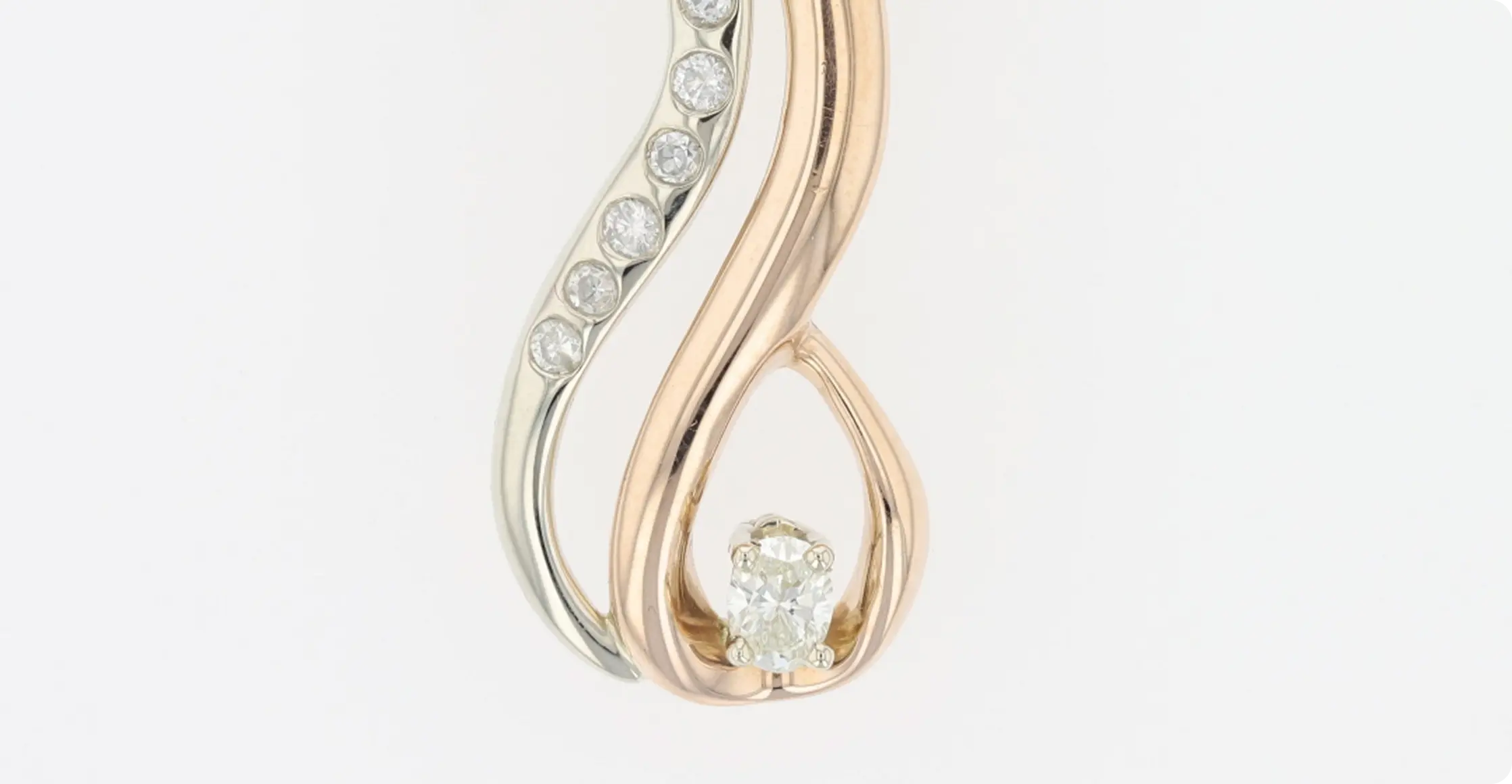
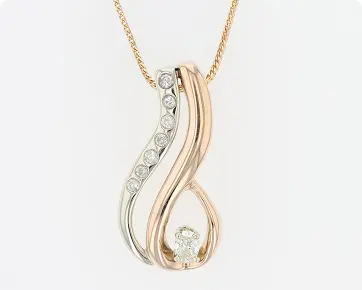



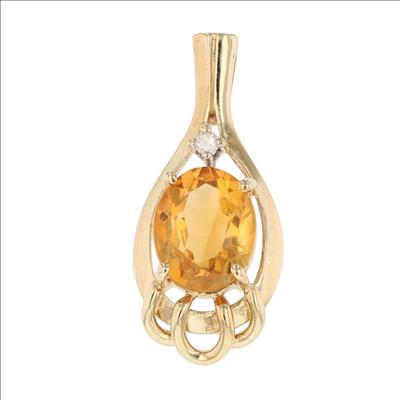
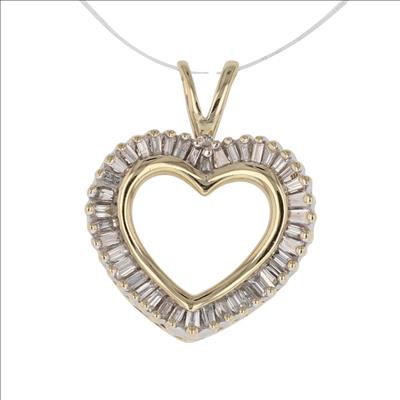
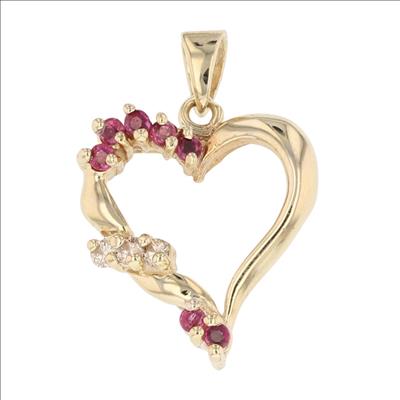
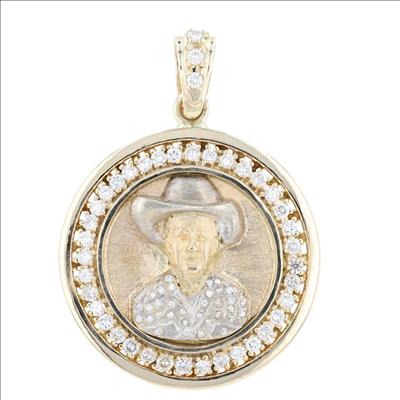
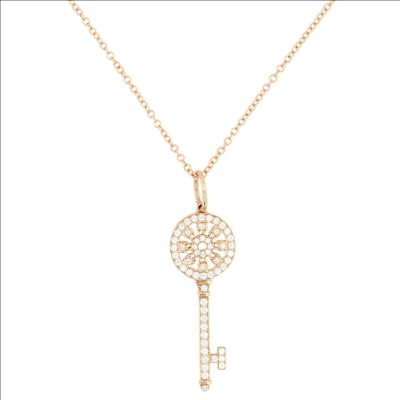
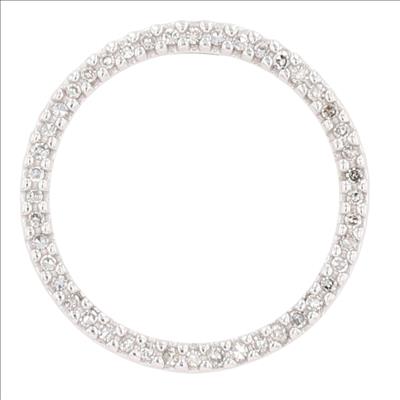
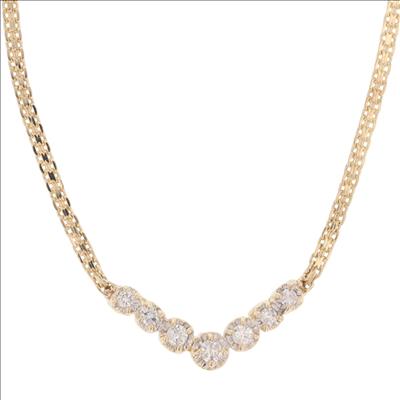
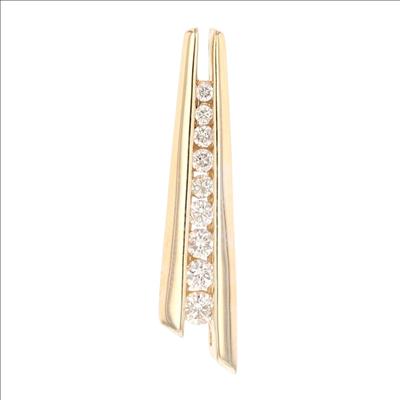
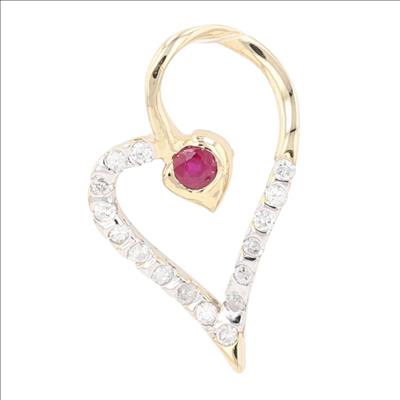
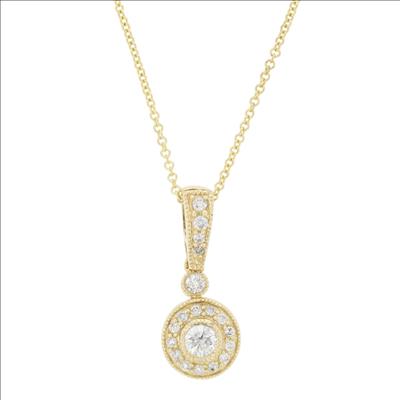
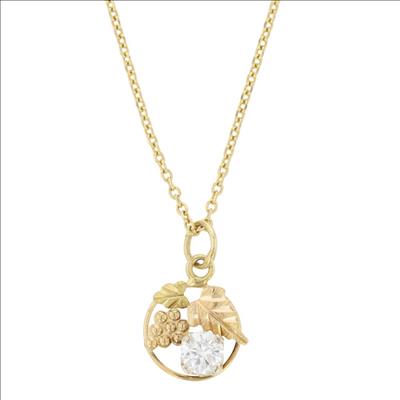
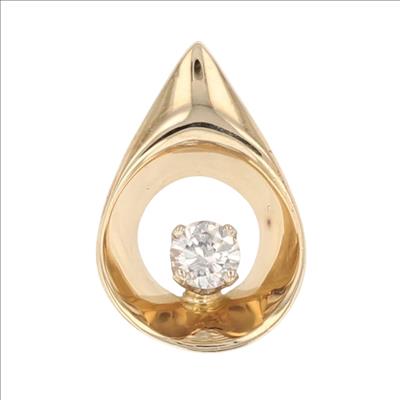
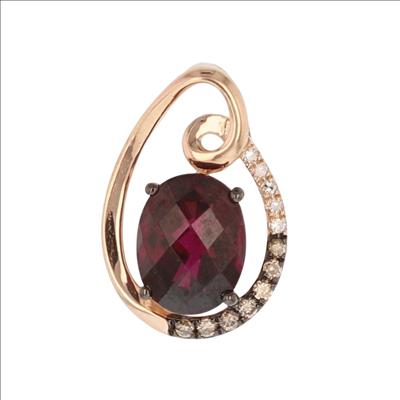
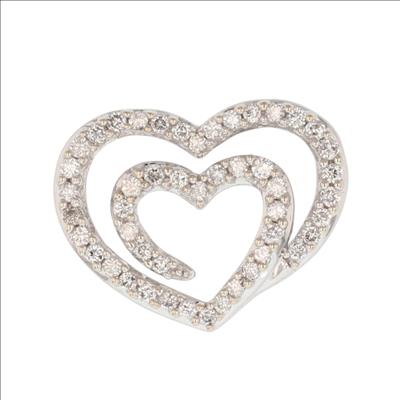
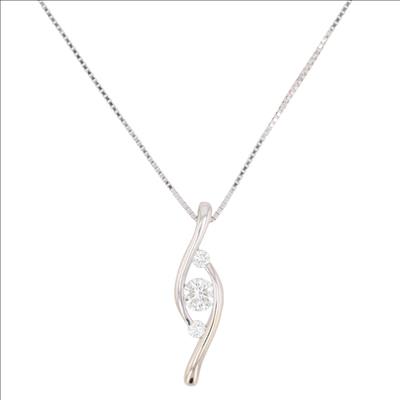
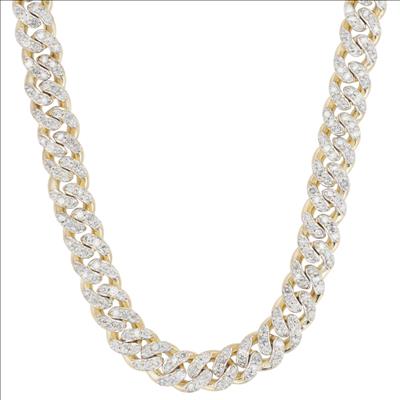
Pendants

Browse pendants in gold, silver, and diamond at Pawn America. Find cross pendants, gemstone drops, and elegant designs at great prices. Shop now.

Shop by Price Point

View All
View All
View All
View All

Necklaces & Pendants Blog

View All
Jewelry Info March 09, 2025

Are you thinking about parting ways with a cherished piece, and asking yourself, "Should I sell my gold necklace?" You're not alone; many people find themselves at this crossroads. The decision to sell my gold necklace is often deeply personal and emotional. It can feel like letting go of a tangible memory. However, it can also be a financially sound decision. Selling your gold necklace can provide extra cash for other needs or opportunities. What Determines the Value of Your Gold Necklace? Several factors influence the payout you can expect when you sell gold jewelry. These factors extend beyond just weight. They combine to determine your gold necklace's true market value. The daily gold price is a major factor. Like a stock price, it fluctuates. It dictates the base value of the raw gold in your necklace. Gold Purity (Karats) Gold purity is measured in karats (K). Pure gold is 24K, primarily used for gold bullion and rarely found in jewelry. Lower karat values signify a blend with other metals. A higher karat indicates more gold content. Since pure gold is soft, other metals are added for durability. For instance, with an 18K gold necklace, the remaining percentage consists of metals like copper or silver. Here's a breakdown: 24K: 99.9% pure gold. 22K: 91.7% gold. 18K: 75% gold. 14K: 58.3% gold. 10K: 41.7% gold. Knowing the karat value is crucial when selling gold. This helps determine the amount you can potentially earn. It allows for a more accurate estimate of your item's worth. Weight of Your Necklace This is simple: heavier necklaces contain more gold. A reputable buyer uses a precise scale. This scale will determine the weight in grams, not ounces. Jewelers use grams for accuracy. Grams allow for a precise valuation. Using the proper weight, the gold offer you will receive will be based on accurate metrics. Current Market Price of Gold The gold spot price changes daily, affecting your item's base value. Selling your gold necklace today might yield a different price tomorrow. Monitoring trends provides insight, but predicting the market is difficult. Staying informed is essential for those selling or tracking precious metals. Market fluctuations impact the potential selling price. Knowing the spot price helps sellers make informed decisions. Where to Sell Your Gold Necklace: Exploring Options The best way to sell depends on your priorities. You should weigh factors such as a quick payment and getting the best price. You should also think about how safe the transaction is. Here are the main options for selling your gold: Pawn America: Pawn America should be your first stop when you decide to sell your gold necklace. Local Jewelers or Pawn Shops: Receive payment immediately, whether in cash, store credit, or wire transfer. Appointments may save time due to potential lines. Your price could be influenced by your area's local demand. Online Gold Buyers: Selling gold online gives you flexibility. Usually there is free mail in service. Remember that shipping times affect the overall timeline to receive your money. Private Sale: Selling to someone you know or via an online marketplace could fetch the most money. This route requires strong negotiation skills. The platform may take fees for the service. Consignment: Giving your necklace to a jeweler or online reseller may bring a great price. But your piece could sit unsold. This means no profit, so factor in how quickly you want money. No single option ensures the highest payout. It's all about the item's specific characteristics. Consider all these variables to find your best option. Decoding Gold Markings and Hallmarks on Your Gold Necklace Before selling, locate that tiny stamp. Your necklace likely has marks indicating its gold content. The National Stamping Act of 1906 requires this. Here's what you are looking for: Karat Markings These appear as "10K," "14K," "18K," etc. International pieces might use different markings. The "K" signifies the karat. Purity Stamps (Without the "K") Some items show the percentage instead. For example, "750" means 75% gold, equivalent to 18K. This helps businesses with inventory tracking, as well. Manufacturer Trademarks These are like tiny signatures of who made the piece. Experienced jewelers might immediately recognize their designs. However, do not mistake these markings for valuing your necklace. A stamp confirms authenticity and gold content. But that doesn't reflect buyer's offer. A local designer's stamp can potentially increase value if that person is known well locally. Getting Your Gold Necklace Ready to Sell Preparing your piece helps the selling process. A few simple actions create a positive impression. Even minimal effort can make a difference when you want to sell chains online. Basic Cleaning Wipe the necklace with a soft jewelry cloth. This removes dust and oils. Avoid harsh cleaners or soaking to protect your jewelry items. Presenting your item in the best condition to gold buyers matters. It shows you've cared for your piece. Cleanliness suggests potential value and attention to detail. Assessing the Condition Check for chain breaks, broken clasps, or obvious wear. While fixable, these issues might lower some offers. Manage your expectations regarding imperfections before attempting to sell your gold. Gathering Documentation (If You Have It) Original receipts or appraisals might be useful. You usually only see these with costly, custom chains. Having paperwork can build buyer confidence when looking for a place to sell jewelry. Weighing and Value Considerations Beyond Scrap Metal: An Advanced Perspective Consider more than just the raw gold value. Things seemingly insignificant may become an advantage. There are some overlooked things that may matter more than you think. Gemstones or Diamonds If your necklace includes precious stones, their quality affects the price. Different professionals may need to assess these for a total valuation. Consider securing an independent appraisal for pieces with valuable gemstones. Type of Necklace Advantages Disadvantages Chain with gemstones Rare gems can boost price; get expert appraisal. Value assessment can be difficult; some vendors might not want it. Normal necklace gold chain Prices are easy to find due to simple melting for value; fast cash conversion. Return value is often less than new retail cost. Designer Pieces A recognized brand *can* boost demand, leading to better offers. Look for interest in various places. You might find enthusiasts online, or at pawn shops. Collectible or Antique Value Age alone doesn't guarantee value. If the item has historical importance, that might be a factor for individual buyers or specialized collectors. The normal price point might increase based on that. How the Design Factors In Most places emphasize melt value for common necklaces. But do not ignore design value completely. Sometimes a unique design holds value on the secondary market. The ideal buyer might not value only scrap gold. It's worth seeking buyers who appreciate artistry. Networking with collectors or specialized dealers can uncover hidden demand. Practical Negotiation Tips when selling Gold Jewelry Preparation brings confidence when selling your gold jewelry. Gather information so you can engage with several sellers. Find out who's willing to offer the most when trying to sell gold. Consider these points: Setting Your 'Walk-Away' Price: Know your minimum acceptable price beforehand. Comparing Multiple Offers: Never accept the initial offer as final. Feeling Comfortable: You may feel rushed. But trust your instincts. Staying Firm, But Polite: Be respectful, but stick to your desired price point. A buyer once shared, "I feel I got a more than fair price... I would not hesitate to use Express Gold Cash in the future." Reviews provide confidence and real value before you ship your gold items. After the Sale: Final Steps to Selling Your Gold Necklace Whether selling to a known jeweler or melting an heirloom, final steps are important. Even if selling a family heirloom, stay sensible to ensure a proper sale. After selling, pause to reflect. Think about the following: Payment Methods Common methods include checks, bank transfers, or cash. Cash is common for in-person deals. Explore digital payment options, too, like PayPal, for selling gold jewelry. Record Keeping Keep records from the store, platforms, or emails. This will help you address discrepancies if anything is off. Maintain documentation for every step when looking to sell gold jewelry. Reporting (For Larger Sales) Certain sales thresholds require reporting to the IRS. Consult a tax advisor for current requirements. Compliance prevents potential problems. Incorrect tax filings may lead to unwanted complications. These complications could lead to increased scrutiny from the IRS. Make sure you're informed about these reporting thresholds when seeking payment options. Security If handling a large payment at home, be discreet. Secure it in your bank or payment account quickly. You worked hard to sell your gold necklace and deserve that money, so be smart with handling that cash. Conclusion Taking deliberate steps to sell my gold necklace, transforms the process. From initial assessment to final actions, being prepared brings confidence. Informed choices empower you, the owner. While quick riches aren't guaranteed, careful planning returns control to you. The journey to sell my gold necklace becomes easier when making well-informed decisions. You know what it takes to successfully sell my gold necklace now.

About Pawn America August 19, 2024

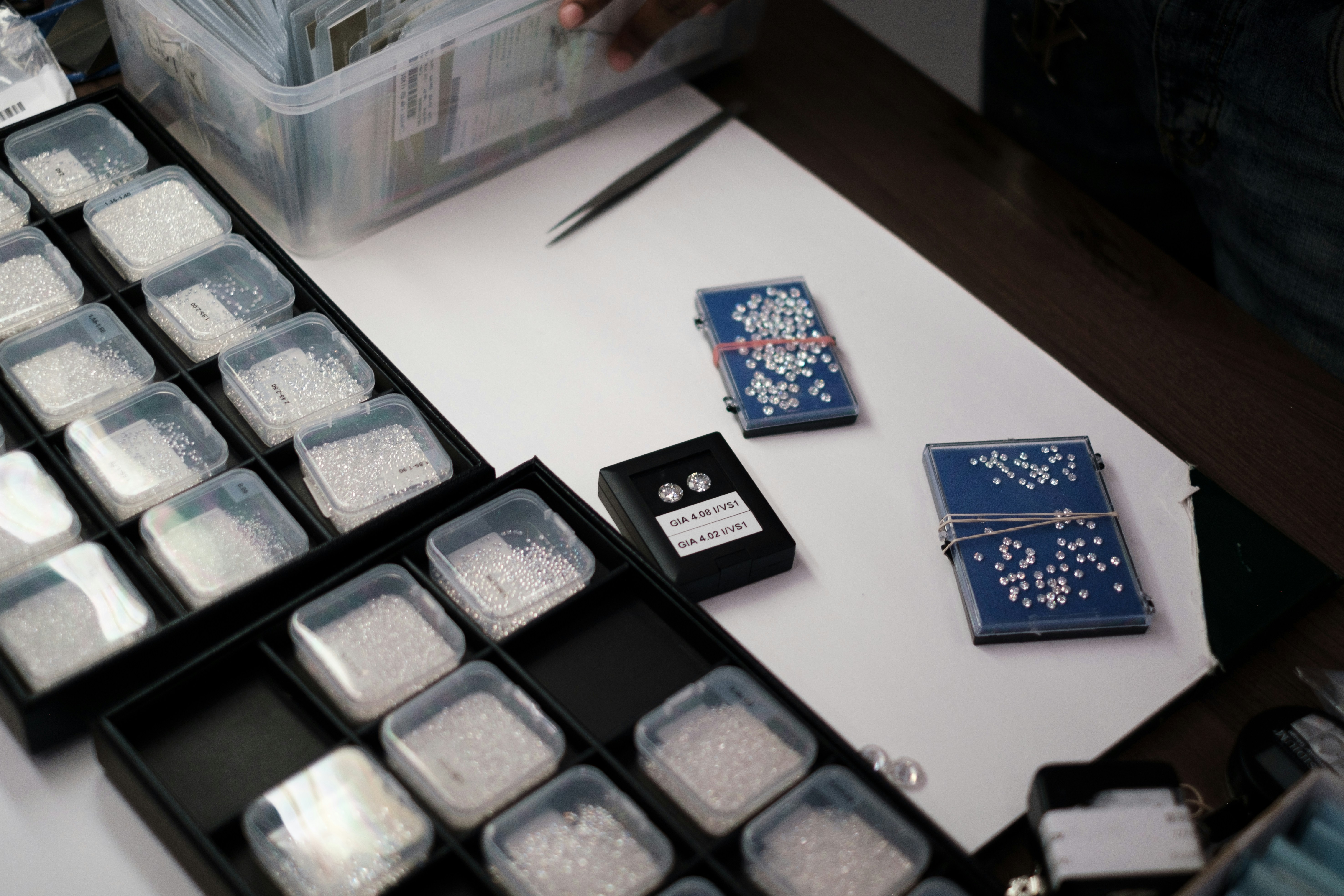
You’ve found yourself staring into a sparkling collection of gemstones, perhaps an heirloom from a cherished relative or treasures you collected over time. Now you're wondering, "How can I sell gemstones?" Well, you're in the right place. Selling gemstones, whether they’re vibrant rubies, deep blue sapphires, brilliant emeralds, or other colored stones, can feel intimidating if you're unsure where to begin. This detailed guide will help you navigate the process of selling precious gemstones. First, let’s address the gemstone market. Did you know that experts predict it will reach a staggering $32.38 billion in value? This growing market, encompassing everything from diamond rings to gemstone jewelry, indicates a robust demand for precious and semi-precious stones. Knowing where and how to sell your gemstones is key to getting the best possible return. Let's explore various avenues to sell gemstones and understand this lucrative market. Understanding Your Gemstones   Before you sell gemstones, it’s important to understand what you have and potentially get your gemstones graded. Gemstone Identification First, determine what kind of gemstones you possess. Are they diamonds, sapphires, rubies, emeralds, or something else? If you are unsure, seek out a reputable gemologist or a qualified jeweler. They can provide a professional identification and even an official gemstone grading report. This document outlines the characteristics of your gemstones and is important for determining their value. The Four C's (or a Similar System) Once you know what you have, learn about its specific quality factors. For diamonds, that’s the 4Cs – Cut, Color, Clarity, and Carat weight. Clarity refers to the gemstone's transparency. While diamonds have a standardized grading system, gemstones follow a similar principle but with slight variations. Most experts agree that for most colored gemstones, color reigns supreme. Then come factors such as clarity, cut, carat weight, and the stone’s origin. For example, Burmese rubies command higher prices due to their vibrant color and rarity. Treatments Find out if your gemstones have undergone any treatments. Gemstone treatments are processes applied to enhance their appearance. While common and accepted in the industry, they can affect a gemstone's value. It's vital to disclose any known treatments during the selling process to maintain transparency. Gemstone Certification Consider getting a professional gemstone certification. While optional, a certificate from reputable gemological laboratories, such as GIA, AGS, or EGL, can add credibility to your gemstones. This can often lead to better offers when you start selling. The accompanying documentation from these institutions confirms a gemstone's authenticity and quality. It's particularly worthwhile if you have a valuable stone or are hoping to get a good price.   Where to Sell Gemstones There are multiple platforms and avenues you can explore when you sell gemstones, each with pros and cons. You can sell precious gemstones online or in person. 1. Local Jewelers A local jeweler might be your first thought. They can offer quick assessments and potentially purchase the gemstone directly. Plus, building a relationship with a local jeweler can be beneficial for future transactions. But, local jewelers often specialize in finished jewelry like wedding bands, diamond rings, or drop earrings. They may not have a market for loose gemstones. Even if they do, their offers are sometimes lower than what you could obtain elsewhere. That's because they factor in their overhead costs. 2. Pawn Shops Pawn shops offer immediate cash, making them an option if you need funds quickly. But keep in mind; they operate with a focus on recouping their money swiftly. This usually means they'll offer a lower price than you would receive elsewhere. They also may not have gemstone experts on staff, so it's important to do your research beforehand. 3. Online Gemstone Marketplaces   Consider online gemstone marketplaces like Polygon. Launched 10 years after Opal Auctions by the same founders after realizing there was a need for such a platform in the gemstone world, the site offers numerous benefits. These benefits include access to thousands of gem buyers and retailers, simple one-stone or full-inventory uploads, and competitive insights, according to their website. They provide specialized platforms catering specifically to gemstone buyers and sellers. Often, you create an account, list your gemstones with descriptions and images, and engage directly with potential buyers. Examples include: Polygon - A well-established marketplace known for its global reach. Gem Rock Auctions - A platform connecting buyers and sellers globally, facilitating a secure gemstone trading experience. 4. Online Auction Sites Think about selling through platforms like eBay. Platforms such as eBay or even specialized jewelry auction websites like Worthy allow you to list and auction your gemstones to a wide audience. Be mindful, though, you might encounter higher fees on these platforms compared to others. But, the potential to reach a larger pool of interested buyers makes it an avenue worth exploring. 5. Consignment Shops Consignment shops, specifically those specializing in jewelry, offer another route. They typically showcase your gemstones in their store and take a percentage of the sale price as commission. This can be a good option if you have vintage jewelry or antique jewelry to sell. It’s crucial to understand their terms, including commission rates and the duration they’ll display your gemstones. Tips for Successfully Selling Your Gemstones Whether online or in person, some universal tips will always ring true. These tips can help if you want to sell diamonds or other gemstones. Presentation Matters Just like staging a house for sale, how you present your gemstones influences their perceived value. Clean your gemstones carefully. Present them in an attractive and professional manner. High-quality images with good lighting are crucial, particularly for online platforms. You can use these photos to sell jewelry or loose gemstones. Research Current Market Values Knowledge is power. Take the time to research and understand the current market value of the types of gemstones you’d like to sell. Explore comparable listings, recent auction prices, and gemstone pricing guides to get an idea of fair market rates. Online gemstone retailers and auction platforms often offer this type of information for free, so utilize those resources. This is especially helpful when selling an engagement ring, as the value can fluctuate based on market trends. Set Realistic Expectations Getting a good return takes time. Be realistic. Know that it’s unlikely to receive a gemstone’s full retail value when selling. This is because jewelers, collectors, and buyers factor in their margins. Remain open to negotiation. However, know your baseline price and be willing to walk away if you're uncomfortable with a particular offer. Secure Shipping and Insurance When shipping, utilize reputable couriers like FedEx, especially when using a platform like Worthy where they manage the logistics. You may be able to get a payment method set up where the buyer pays for fully insured shipping. This will give you peace of mind. Proper insurance and tracking measures will mitigate any potential losses or risks. This is especially important when people sell valuable items like a diamond ring or pendant necklace. Honesty is Key To sell gemstones requires transparency. Provide accurate descriptions of your gemstones. Disclose any known treatments or enhancements. Building a reputation for honesty fosters trust. This is important whether you're working with a trusted jeweler or selling gemstones online.   FAQs About Selling Gemstones   How should I sell my gemstones? Selling gemstones, begin by identifying what you own through a reputable gemologist. Assess their value by considering factors such as color, clarity, cut, and carat weight (for diamonds, utilize the Four C’s). Next, research selling options like online marketplaces or local jewelers. Prepare the stones with careful cleaning, excellent photos (if selling online), and accurate descriptions. Finally, prioritize security throughout the process with tracking and insurance for shipping and transparent communication with potential buyers. Where is the best place to sell gems? There's no one-size-fits-all best place. However, options for where to sell gemstones include: Online marketplaces Local Jewelers Pawn Shops Auction Houses (for high-end gems) Consignment Shops (also for higher value gemstones) Choosing the right fit depends on factors such as the value of your gemstones, your preferred timeline, comfort with technology, and the level of control you’d like over the process. For instance, you can sell diamonds or a diamond engagement ring through an auction house, while a local jeweler may be a better option for a single yellow gold ring. Do gemstones have resale value? Generally, gemstones can retain or even appreciate in value. But many factors can sway their resale prospects, including the stone’s rarity, quality, market demand, economic conditions, and any certifications or documentation available. For example, some gems, like high-quality rubies and emeralds, are known for their value retention. They often see an increase in price due to their limited supply. This can make it difficult for people to buy colored stones. Is there money in selling gemstones? Yes, the gem and jewelry market is a multi-billion dollar industry with growing demand for gemstones globally. However, the amount of money you’ll earn from selling gemstones depends on their type, quality, and where you sell them. Research and strategic decision-making are key to maximizing your profit potential. If you're looking for the highest price, it's important to be patient. You also need to be comfortable walking away from offers that don't meet your needs.   Conclusion Deciding to sell gemstones requires careful thought and informed decision-making. This is where arming yourself with information and taking time for proper research pays off. Understand the kind of gemstones you possess, assess their worth with reputable appraisals if needed, and explore your options, from local jewelers to online platforms. Don't rush, consider all offers carefully and prioritize secure transactions. Most of all, approach this opportunity to unlock the value of your gemstone collection with a strategic lens. You'll increase your chances of getting the best return for those shimmering pieces of beauty. Good luck, and happy selling.

About Pawn America February 17, 2020

You have jewelry sitting in a box right now that could solve a money problem for you this week. You bought it years ago, it came from an ex, or it was a gift that just never felt like you. And now you are wondering if you can finally turn jewelry into cash without getting taken advantage of or doing a ton of work. I get it. You do not want regret. You want real numbers, clear choices, and a simple path. You want to know the smartest way to Turn jewelry into cash or even use it as a short term safety net. This process is easier than most people think. It just requires a little bit of knowledge before you start. What people really mean by Turn jewelry into cash People type "Turn jewelry into cash" for a few main reasons. They need money fast to cover an unexpected bill or emergency. They might be tired of clutter and want to clear out items they no longer use. Another common reason is the desire to cash in on high gold prices. Recent spot prices for gold hit record highs. This surge has pushed more people to think about selling old pieces instead of letting them collect dust. At the same time, many do not realize there is more than one way to turn jewelry into money. You can pawn it for a loan, sell it outright to a local shop, or use online buyers and resale platforms. Each path works for a different situation and a different type of jewelry. Your goal is not just cash. Your goal is the best mix of speed, safety, and payout for your exact pieces and your current money needs. Making the right choice depends on your specific circumstances. Step one: decide if you want a loan or to sell Before you walk into any store, get clear on this simple choice. Do you want your jewelry back or are you ready to let it go for good? Your answer shapes everything that follows. If you love the piece, or it has strong emotional value, a pawn loan can make more sense. A pawn shop holds your item as collateral while you borrow money against it. You make payments, and once you pay off the loan, you get your jewelry back. Pawn America explains the basics of how this works in their own guide to How Pawning Works. This option is great for temporary cash flow issues. It keeps your ownership of the item intact. If the piece has bad memories, is out of style, or has sat unworn for years, then selling it outright may be your better move. You walk out with cash, and the jewelry is no longer your concern. This provides a clean break and often a higher payout. How pawn loans work with jewelry Pawn loans are built for short term money needs. Think car repair, emergency bill, or a chance to grab a deal before payday. You hand over your jewelry as collateral, get cash on the spot, and then you have a set time to pay it back. With Pawn America, for example, you bring your jewelry into one of their store locations. Their team weighs, measures, and checks the piece. They look at metal purity, stone size, and current resale prices. Based on that evaluation, they make a loan offer. The amount depends strictly on the value of the item, not your income. You can accept or decline without any pressure. If you accept, you get your cash and a loan ticket that spells out payment terms. Pay the loan plus fees on time and your jewelry comes right back to you. Decide you are done with it, and you can simply stop paying and let the store keep the piece as payment. Pros of pawning   There are a few reasons people pick pawn loans over credit cards or personal loans. First, it is fast. You do not go through a credit check, you just use the item itself as your backup. That can be helpful if your credit score is not great or you are trying to keep this off your credit report. No banks are involved in the process. It stays between you and the shop. Second, it is flexible. You are not stuck selling grandma's ring forever just to pay a bill this month. If you are attached to a piece, a loan buys you time. You get money now and a clear path to bring the piece home again. It bridges the gap until your next paycheck. And third, it is clear. You always know the most you could lose is the item you brought in. There is no spiral of growing debt as long as you understand the payment terms from the start. It is a contained transaction. Pros of selling jewelry instead of pawning Selling outright is better for other people and other situations. If you have a piece you truly do not care about anymore, keeping it as collateral for a loan may feel pointless. In that case, selling lets you get a higher cash payout and walk away. Many shops, including Pawn America, pay more for a straight sale than a loan. This is because they do not need to hold the piece and manage payments. They can immediately process the item for resale or refining. That difference in payout can be useful if you need as much cash as possible for a larger bill or a down payment. The extra percentage can add up significantly on high-value items. You maximize the liquid value of your asset. Online buyers and resale platforms like The RealReal, Worthy, and Louped focus more on brand name or vintage jewelry. They sometimes offer higher prices for rare or signed pieces because they have access to luxury buyers. These platforms cater to a specific audience looking for designer goods. Know what kind of jewelry you have before you sell One of the biggest mistakes people make is walking into a shop or posting a listing online without any idea what they have. You do not need to be a gem expert, but you should have a rough sense of the basics. That helps you Turn jewelry into cash on fair terms instead of guessing. Here are four things to look at before you get offers: Metal type and karat stamp Stone details and condition Brand or designer marks Current demand for the style Knowing these details gives you leverage. It allows you to understand if an offer is in the right ballpark. You avoid accepting a lowball price simply because you did not know better. Check your gold, silver, or platinum   Take a close look near the clasp, inside the ring band, or on the back of pendants. You should see small marks like 10K, 14K, 18K, 585, 750, 925, or PT. Those stamps point to the metal content. Gold with higher karat usually means more value because it has more pure gold by weight. For example, 10K gold contains roughly 41.7% gold, while 18K contains 75% gold. The rest of the weight is made up of alloy metals like copper or silver. If the marks are hard to read, or you are just not sure, that is where trained buyers matter. Fox Fine Jewelry describes how a simple gemstone testing or metal test gives clear information on what you own. You can get a verbal check just for pricing help, or a written appraisal if you need documents for insurance. Professional testing methods include acid tests or X-ray fluorescence machines. These tools determine the exact breakdown of the metal. If you are not close to Ventura, they suggest finding a credentialed gemologist through the American Gem Society jeweler search. AGS members follow ethical standards for gemology and sales. This helps protect you during this process. Trust is essential when validating precious metals. Look at stones, brands, and current trends Diamonds, colored stones, and brand names all affect value in very different ways. Round diamonds with modern cuts, clean clarity, and decent size are usually easier to sell than chipped or very old cuts. The "4 Cs"—Cut, Color, Clarity, and Carat—play a huge role in price. Signed pieces from known designers can sell for far above metal value on places like 1stdibs.com or The RealReal because collectors are looking for those names. A Tiffany & Co. stamp, for instance, adds premium value beyond the gold weight. Collectors pay for the prestige and the design history. Trends also shift what people are excited to buy. The American Gem Society covers new styles in their feature on current jewelry trends, and those shifts do shape demand at stores and online. That vintage southwest look might be hot in some regions and cooler in others. This geographic difference can change where you should try to sell. This is why one buyer may care a lot about a certain ring while another looks only at gold weight. The better you understand your piece, the easier it is to match it with the right buyer. Where you can Turn jewelry into cash locally There is a reason many people start with a local shop instead of a random person from the internet. You get to meet face to face, see your item being tested, and walk out with cash in minutes. You avoid the waiting game of shipments and wire transfers. Pawn America has a clear process that removes a lot of stress. You bring in your jewelry, their team weighs and tests it using professional tools, and then they make a no pressure offer. If you agree, you leave with money on the spot. If you do not, you simply keep your pieces. There is no obligation to sell just because you asked for a quote. This freedom allows you to shop around if you wish. You can also use their online quote system to get a feel for what your item might bring. Their page on pawning or selling jewelry lays out what they accept, from broken chains and single earrings to high end diamond rings. Knowing what they accept saves you a wasted trip. How local buyers compare with online platforms Each path to cash has trade offs. Here is a quick view you can use as a mental checklist. Option Speed Best for Local pawn or jewelry buyer Same day cash Gold chains, broken items, quick loans Online gold buyer Days to a week Gold weight, small pieces, no designer name Luxury resale platforms Weeks or longer Signed designer pieces and higher end items None of these options is always right or always wrong. If your main need is to turn jewelry into cash fast, local shops will nearly always win. The immediacy of the transaction is their biggest advantage. If you are chasing the absolute top price on a very special piece, slower consignment and auction routes might pay off. Sites like Worthy or Louped often reach buyers ready to spend more. These platforms connect you with a global audience of bidders. Sometimes a blended approach makes sense. You sell scrap or broken jewelry for instant cash at a pawn shop and send only the very best pieces through longer online sales channels. This maximizes both your time and your returns. How current gold prices change your timing You have probably heard people talk about "waiting for gold to go up" before they sell. Lately that is more than just talk. Gold prices hit all time highs recently, moving above 3500 dollars per ounce. The Los Angeles Times notes this surge is pushing more people to cash in old heirlooms for melt value. High spot prices mean even broken or ugly jewelry has significant worth. The intrinsic value of the metal becomes the main selling point. What does that mean for you? It means plain gold pieces that do not have much design value can sometimes bring more money right now. Rings or chains with damage that once felt like a lost cause suddenly matter again because the gold itself has value. You still want to avoid chasing prices like a day trader though. For most people, the real win comes from freeing up money tied up in jewelry you do not wear. If you have an urgent money goal, waiting for a small possible rise in metal prices often costs more in stress than it gains in dollars. How to prepare your jewelry before getting offers A bit of prep can help you turn jewelry into cash on better terms. You do not need fancy gear. You just need to get organized, collect some info, and choose your strategy. Here is a simple checklist you can use before you head to a shop or ship anything. Group items by type, like gold chains, rings, and silver pieces. Take clear photos in good light, from several angles. Note any marks, stamps, or brand names you see. Decide for each item if you would pawn or sell it. Check recent reviews of any buyer you plan to use. Jewelry experts at Fox Fine Jewelry share a lot of simple tips on getting ready to sell. They walk through organizing your items and learning which ones are most likely to bring stronger offers. They also explain what info buyers usually look for first. Cleaning your jewelry can also make a difference in first impressions. You can gently clean most gold and diamond pieces with warm water and mild dish soap. Use a soft toothbrush to remove dust from crevices. If you feel lost about pricing, that is when a verbal gem or metal check can help. A quick consultation with a gemologist or trusted local jeweler can help you avoid walking in blind. If you own higher value pieces or estate jewelry, they can also do written appraisals for deeper detail. Using online tools and side routes to turn items into cash You might also have smaller side pieces like fashion jewelry or handmade items. Those will not be a great fit for metal buyers or pawn loans, but they can still turn jewelry into cash in their own way. For example, many people take handmade or boutique style pieces and turn them into a small direct to consumer shop. Marketplaces like Etsy, Poshmark, or eBay are perfect for these items. Guides on turning craft goods into cash online can teach you how to set up a shop. These platforms allow you to reach buyers looking for unique style rather than raw metal value. If you end up listing pieces on your own website, landing pages matter a lot. Tutorials on product pages that turn clicks into cash can help you write better descriptions. You need to use photos well and explain the story behind each piece so buyers connect more with them. And if you catch the selling bug, you may start looking around your home for other items you can turn into money. There are even guides on how to turn craft supplies or wreath making materials into cash on the side. Once you understand the basics of pricing, photos, and honest listings, it becomes a skill you can use over and over again. How to protect yourself and your jewelry Cashing out does not need to feel shady. There are a few basic safety and trust checks you can follow to protect both yourself and your pieces. This matters whether you sell locally or online. Start with the buyer. For online gold and bullion buyers, reading real customer reviews helps you see how they treat people. Look for comments on how fast they pay and whether complaints get handled fairly. The same logic works with pawn shops and jewelers. Search for local feedback, ratings, and stories from customers who sold items similar to yours. A long history of positive business is a good sign. You can also look at how buyers talk about ethics and education. The American Gem Society keeps strong standards for honesty and skill in jewelry work. Their mission is built on protecting shoppers through gem research and training. A shop that connects with groups like AGS, or follows similar codes, is telling you they care about doing business the right way. When meeting a private buyer from a classified ad, always meet in a public place. Many police stations now offer "safe exchange zones" for this exact purpose. Mindset matters more than people admit Selling or pawning jewelry stirs up feelings. This is money, but it is also memory. Maybe a ring came from a relationship that ended, a pendant from a loved one who passed away, or earrings from a big moment in your career. Here is something many people quietly admit later. They feel better once that emotional weight is not hiding in a drawer. Converting something that no longer matches your life into cash you can use now often feels like a reset. It funds goals you care about instead of anchoring you to the past. The cash can go toward a new home, a vacation, or paying off debt. The item serves a new purpose for you in a different form. The flip side is this. If your gut says you are not ready to part with a certain item, do not ignore that. Consider a loan instead of a sale for those pieces. That is one reason pawn loans exist. They give you room to handle life without losing items that still matter deeply to you. You maintain the option to reclaim your history when you are ready. Conclusion Turning old jewelry into real money does not need to be confusing or full of guesswork. Once you know your metals, stones, and options, you can Turn jewelry into cash or short term credit in a way that fits your life and your values. That might mean a same day loan at a place like Pawn America. It could also mean a straight sale at a local shop. Or, you might choose a longer online route for rare and signed pieces. The choice depends on your timeline and your financial goals. The key is simple. Learn what you have, decide whether you want it back, and pick the selling or pawning path that matches both your money goal and your timeline. Mix that with ethical buyers, clear appraisals, and the right timing with strong gold prices. Those silent pieces in your drawer can finally start working for you instead of gathering dust. Your jewelry told one story when you bought it. Now it can tell a new story as cash in your hand. It can pay down debt, build savings, or fund the next chapter of your life. Take the first step today by inspecting what you own. You might be surprised at the value hidden in your jewelry box.

  • Sign In
  • Register
Password Reset

Enter your email address and we’ll send you a link to reset your password.

Account Verification
Remove Address?
Are you sure you want to remove this address from your account?
Remove Credit Card?
Are you sure you want to remove this credit card from your account?
Free Shipping
Order Tracking
Please enter your order tracking number.